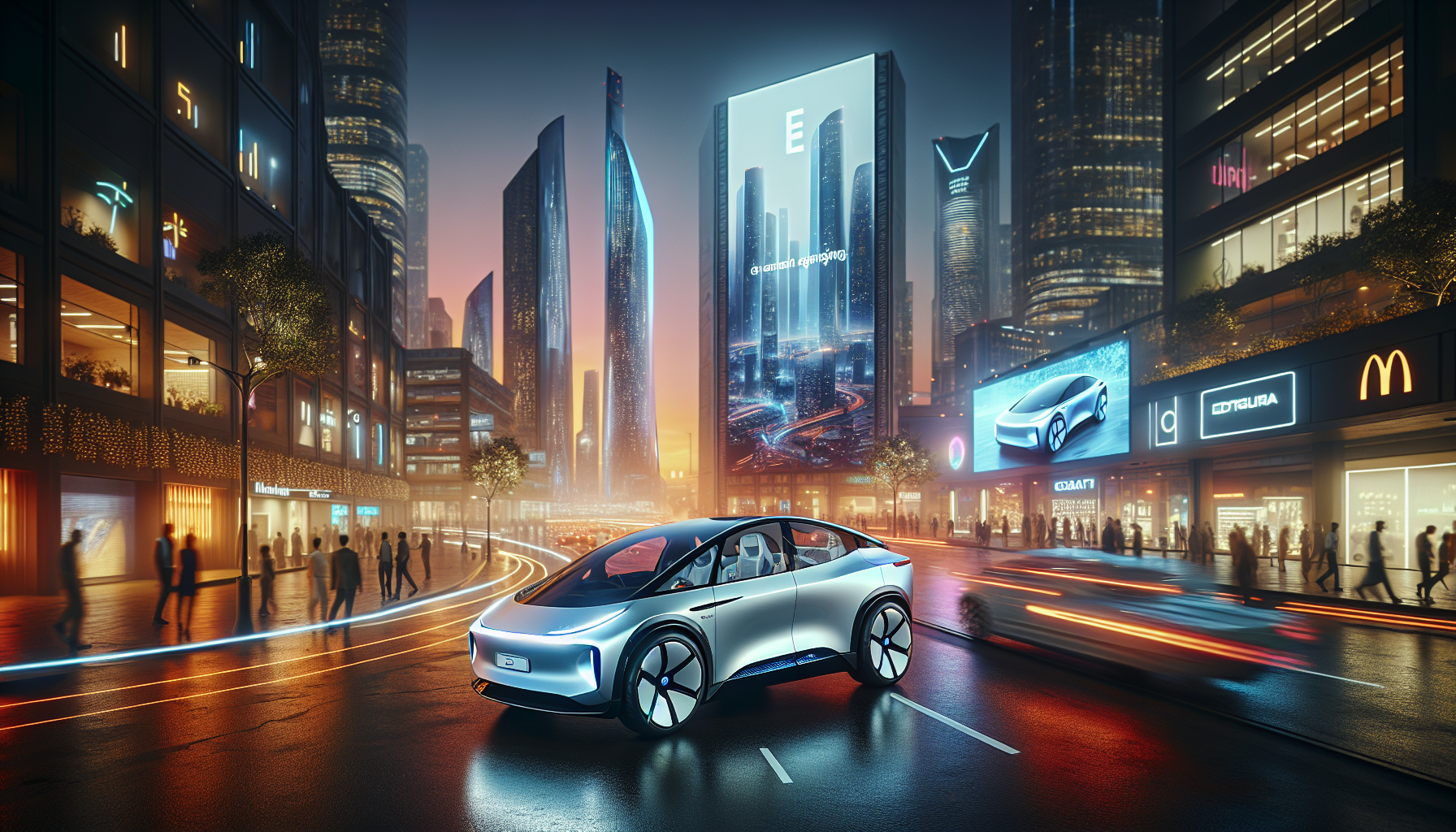
Xiaomi Auto’s Su7 Surges With 40,000 Orders as Expansion Plans Heat Up
Record-Breaking Demand for the SU7
Xiaomi Auto is off to a roaring start with its new SU7 model, racking up an impressive 40,000 firm orders since its announcement. This milestone was confirmed by CEO Lei Jun on April 2, 2026, following a strong delivery performance that saw over 20,000 vehicles delivered in March alone, with the SU7 contributing more than 7,000 units in just its first nine days on the market.
Launched on March 23, 2026, the SU7’s rapid order accumulation showcases Xiaomi’s growing influence in the automotive sector. As the company ramps up production at its Beijing factory, designed for an annual capacity of 300,000 units, the SU7 is positioned to meet the burgeoning demand while establishing Xiaomi as a serious player in the electric vehicle (EV) market.
Strategic Shift from YU7 to a Multi-Model Lineup
Xiaomi is not resting on its laurels with the SU7. The company is actively transitioning from a reliance on the YU7 model, which recently surpassed cumulative deliveries of 200,000 units. Despite initial success, the YU7 has seen a drop in orders, with weekly requests falling to about 4,000 units by early March 2026, prompting a need for diversification.
To counteract the cooling demand for the YU7, Xiaomi plans to launch 4-6 new models in 2026, expanding its offerings to include a mix of pure electric and extended-range vehicles. This strategy encompasses sedans, SUVs, and multiple seating configurations, priced between 200,000 and 550,000 yuan (approximately $29,000 to $79,700). Key upcoming models include:
- SU7 Executive Extended Version
- SU5 B-segment electric coupe
- YU7 GT with a dual-motor setup generating 738 kW (990 hp)
- Extended-range SUVs including YU5 and YU9
Strengthening Leadership for Sales Success
Recognizing the need for a robust sales infrastructure, Xiaomi Auto recently hired Kong Yanshuang, the former General Manager of Tesla China, to spearhead its automotive sales efforts. This strategic move aims to build a sales system that transcends the reliance on Lei Jun’s personal endorsement and the core Mi Fan base, effectively addressing order pressures stemming from the fluctuating YU7 demand.
The addition of experienced leadership is crucial as Xiaomi prepares to launch its ambitious product matrix, including high-performance models like the YU7 GT and various SUVs aimed at competing with established brands such as Li Auto and Aito. With these moves, Xiaomi is not just expanding its lineup but also solidifying its position in a fiercely competitive market.
Operational Challenges and Market Implications
While the rapid order growth for the SU7 is promising, it also raises concerns about potential production bottlenecks, reminiscent of the earlier strains experienced with the YU7 model. As Xiaomi diversifies its offerings, the complexity of managing multiple models could introduce new operational risks, particularly in a market where consumer preferences are continually evolving.
The push for a dual-track strategy, encompassing both pure electric and extended-range vehicles, reflects Xiaomi’s commitment to addressing consumer needs, such as range anxiety. However, this strategy must be executed flawlessly to avoid pitfalls that could undermine brand credibility and market position.
As Xiaomi navigates these challenges, its focus on building a sustainable sales infrastructure, supported by top-tier talent, positions it to not only challenge incumbents like Tesla and Li Auto but also to redefine the standards of customer engagement and product delivery in the EV landscape.
Leave a Reply