Rethinking the Suv: High Gas Prices Spark a Return to Fuel-Efficient Alternatives
The Shift in American Driving Preferences
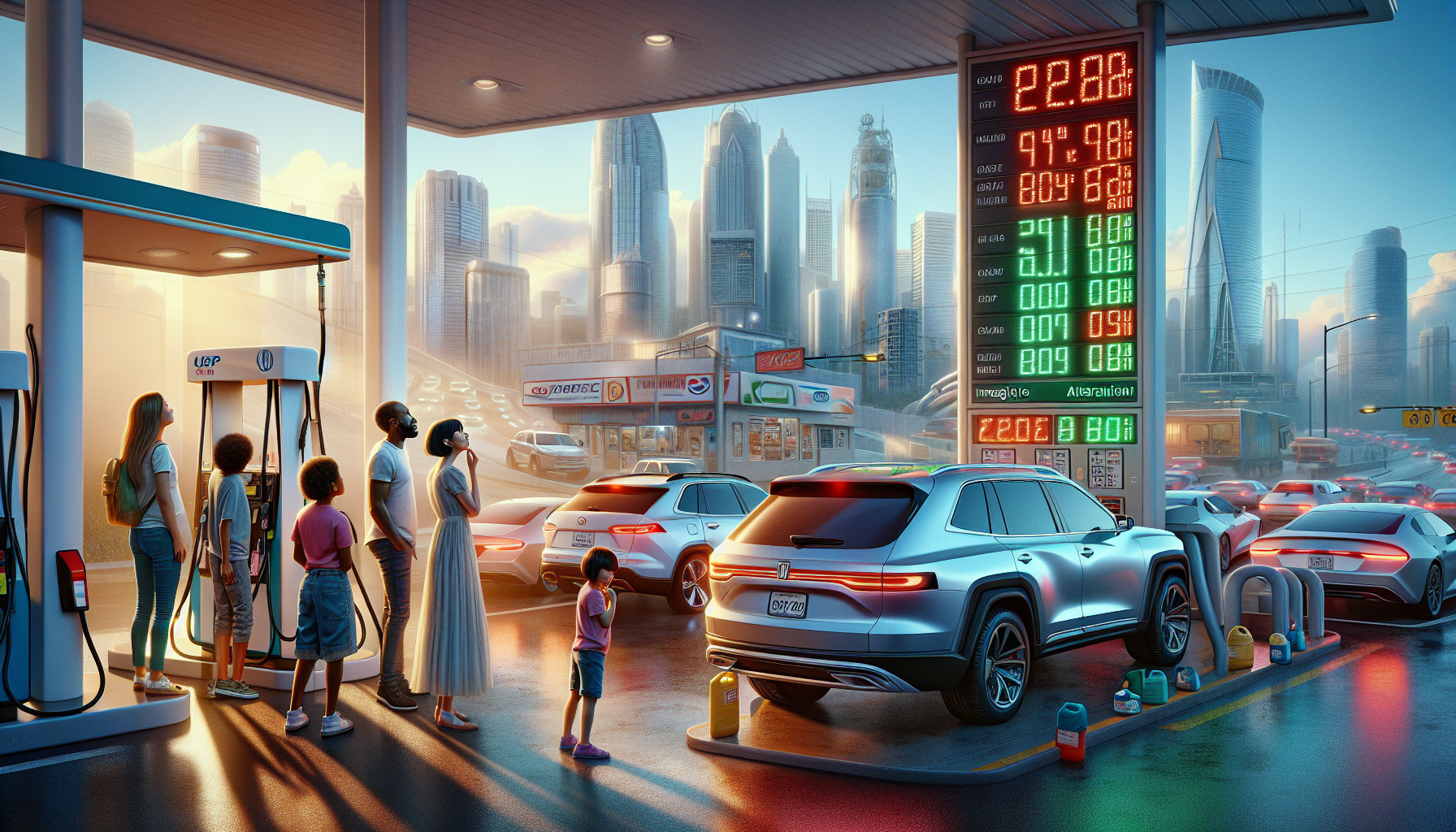
As fuel prices surge above $4.50 per gallon in early 2026, the automotive landscape is poised for significant change. The escalating conflict in the Middle East has disrupted oil supplies, prompting consumers to reconsider their vehicle preferences. According to Jalopnik, this shift could mark the beginning of the end for the SUV craze that has dominated the market for over a decade.
With SUVs now accounting for over 60% of new vehicle registrations, the American automotive market has increasingly leaned toward these larger, less fuel-efficient vehicles. However, the recent spike in gas prices reveals the potential vulnerabilities of this trend. As consumers face higher costs at the pump, the allure of more fuel-efficient alternatives, like station wagons, is gaining traction.
The Rise of Fuel Economy Standards
Fuel economy has steadily improved, with the U.S. fleet-wide average hitting a record 27.2 miles per gallon in 2024, and California leading at 33.5 mpg. These milestones underscore the growing necessity for efficiency amid rising fuel costs. The EPA confirms that the pressure is mounting on automakers to pivot from their reliance on SUVs to more efficient models.
As buyers become increasingly budget-conscious, the appeal of fuel-efficient wagons becomes more pronounced. Wagons offer a lower center of gravity and better handling compared to their SUV counterparts, making them a compelling choice for those who prioritize both performance and practicality.
CAFE Standards and Market Implications
Historically, the dominance of SUVs can be traced back to loopholes in the Corporate Average Fuel Economy (CAFE) standards, first exploited by the 1983 Jeep Cherokee XJ. These rules allowed automakers to prioritize the production of larger vehicles, often at the expense of fuel efficiency. With the current economic climate, this reliance on SUVs may prove risky for manufacturers, as consumer demand shifts.
As highlighted by NHTSA reports, the market must adapt quickly to avoid potential losses. Automakers who fail to diversify their offerings could face significant challenges, especially if fuel prices continue to remain volatile.
What’s Next for the Automotive Industry?
The future may very well belong to the station wagon, which combines the utility of an SUV with the efficiency of a sedan. Enthusiasts are already calling for a renaissance of these vehicles, which offer superior handling and lower fuel costs. As consumers seek alternatives that provide a better driving experience without the hefty price tag at the pump, automakers must respond.
The transition to wagons might seem daunting, but it presents a unique opportunity for manufacturers to innovate. By investing in this segment, they can capture a market eager for change and resilient in the face of economic uncertainty.
As discussions around the future of vehicle preferences continue, it’s clear that the automotive industry stands at a crossroads. The demand for practical, fuel-efficient cars could reshape the market and redefine what consumers expect from their vehicles.
Leave a Reply