Escalating Tensions in West Asia
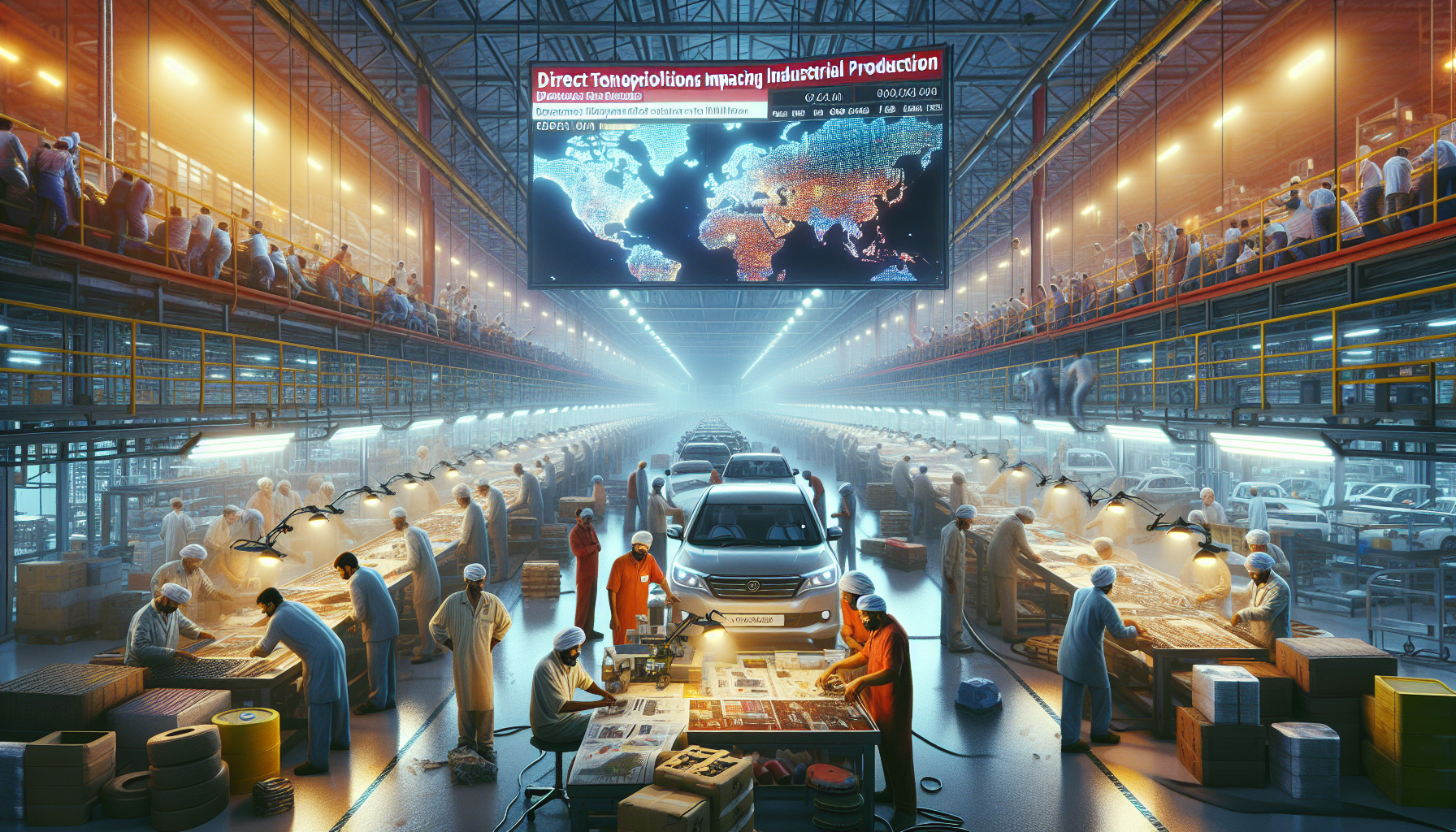
As geopolitical tensions escalate in West Asia, the Indian automotive industry faces potential production disruptions. The ongoing US-Israel conflict with Iran has intensified, halting shipping through the crucial Strait of Hormuz. As of early March 2026, this situation has led to fears of attacks on vessels and subsequent shipping delays, raising alarms within the automotive sector.
Shipping routes have been severely impacted, with Qatar suspending gas shipments to India’s GAIL since March 4, 2026. Additionally, targeted attacks on key energy infrastructure in Saudi Arabia, Qatar, and the UAE have further complicated logistics and supply chains, essential for India’s auto production.
Dependence on West Asian Markets
India’s automotive exports are significantly tied to West Asia, with approximately $8.8 billion worth of cars exported in 2025, 25% of which were directed to this region. Major players like Hyundai Motor India heavily rely on these markets, with about half of their global exports originating from India and heading to Gulf countries.
- Hyundai: $1.8 billion in exports, 50% to Gulf
- Toyota: $470 million, two-thirds to West Asia
- Maruti Suzuki: $3.2 billion, 15% to the region
- Nissan: $318 million, 38% to West Asia
This reliance intensifies the risks associated with the current geopolitical climate, with automakers bracing for disruptions in their supply chains.
Operational Risks and Production Cuts
The ongoing conflict has raised logistical challenges, increasing freight and insurance costs while complicating vessel availability. One automaker has already indicated plans to cut 40,000 vehicles from its production schedule for West Asia, highlighting the immediate impact of these tensions.
Crisil, a prominent credit rating agency, warns of short-term disruptions in passenger vehicle exports to the Middle East. Furthermore, vulnerabilities in energy supply—where West Asia accounts for nearly 49% of India’s crude imports and 68% of LNG—pose a risk of fuel price spikes that could affect overall transport costs and operations within the automobile sector.
Government and Industry Responses
In response to these challenges, the Indian government is actively encouraging refiners like Reliance Jamnagar to cut exports and boost domestic supplies of auto fuel and LPG. This proactive approach aims to mitigate the effects of potential crude shortages on the automotive sector.
Despite the immediate threats, industry analysts note that many automakers are diversifying their markets. CRISIL emphasizes that companies like Maruti Suzuki and Hyundai are reaching out to over 100 markets globally, which may lessen the long-term impact of the current crisis on their operations.
The automotive sector finds itself at a crucial juncture, navigating through the turbulent waters of geopolitical tensions. With both short-term and long-term strategies in play, the focus remains on resilience and adaptability in the face of uncertainty.
Leave a Reply