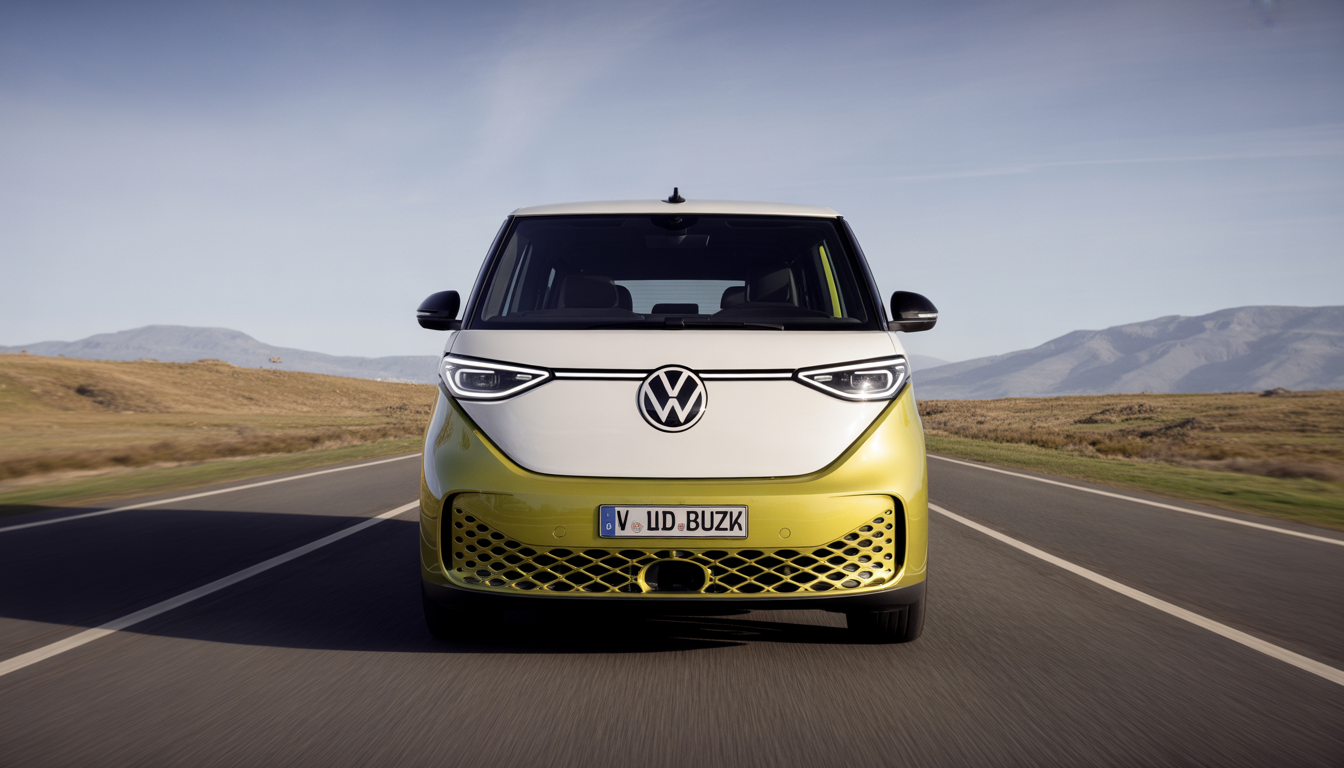
Volkswagen Hits Pause on Id.buzz: What’s Next for the Retro EV?
Volkswagen has confirmed that its highly anticipated ID.Buzz will skip the 2026 model year in the U.S., but this isn’t the end of the road for the retro-styled electric minivan. Instead, the company is opting for a strategic hiatus to recalibrate and prepare for a more robust return in 2027.
Sales Struggles Prompt Strategic Decisions
Despite a warm reception upon its 2025 U.S. debut, the ID.Buzz has faced significant challenges in terms of sales. As of the third quarter of 2025, Volkswagen reported only 4,934 units sold. Several factors contribute to this lackluster performance:
- Price Point: Starting at $61,545, the ID.Buzz’s cost has deterred many potential buyers.
- Range Limitations: With an EPA-estimated range of just 234 miles, it struggles against competitors offering more range for less.
- Market Conditions: The broader EV market is currently experiencing a slowdown, making it tougher for new entrants to gain traction.
According to Edmunds, these hurdles have led Volkswagen to prioritize inventory management and support for dealers, allowing them to sell existing stock before introducing a new model.
The Future of the ID.Buzz
Kjell Gruner, CEO of Volkswagen Group of America, reassured enthusiasts that the ID.Buzz remains an important part of the company’s future. He emphasized that this pause is not a cancellation but rather a strategic move to enhance the vehicle for its next iteration. Gruner stated, “We are not canceling this product in the U.S. market,” and hinted at potential upgrades for the 2027 model.
With the 2026 hiatus, Volkswagen aims to reassess the ID.Buzz’s design and features, potentially introducing enhancements in range or technology when it returns. This adjustment reflects a growing trend among automakers, as seen with other brands like Ford, which are also recalibrating their EV offerings in response to market conditions.
Broader Implications for the EV Market
The decision to skip a model year is becoming increasingly common as manufacturers face challenges in the electric vehicle landscape. With competition heating up from more affordable and longer-range models, Volkswagen’s strategic pause could allow it to fine-tune the ID.Buzz to better meet consumer expectations. As noted by MotorTrend, the EV market is currently shifting, and brands must adapt to maintain relevance.
As the automotive industry navigates these tumultuous waters, the ID.Buzz’s return may not just mark a revival for Volkswagen but could also set a precedent for how legacy brands adapt to the evolving demands of the EV market.
Leave a Reply