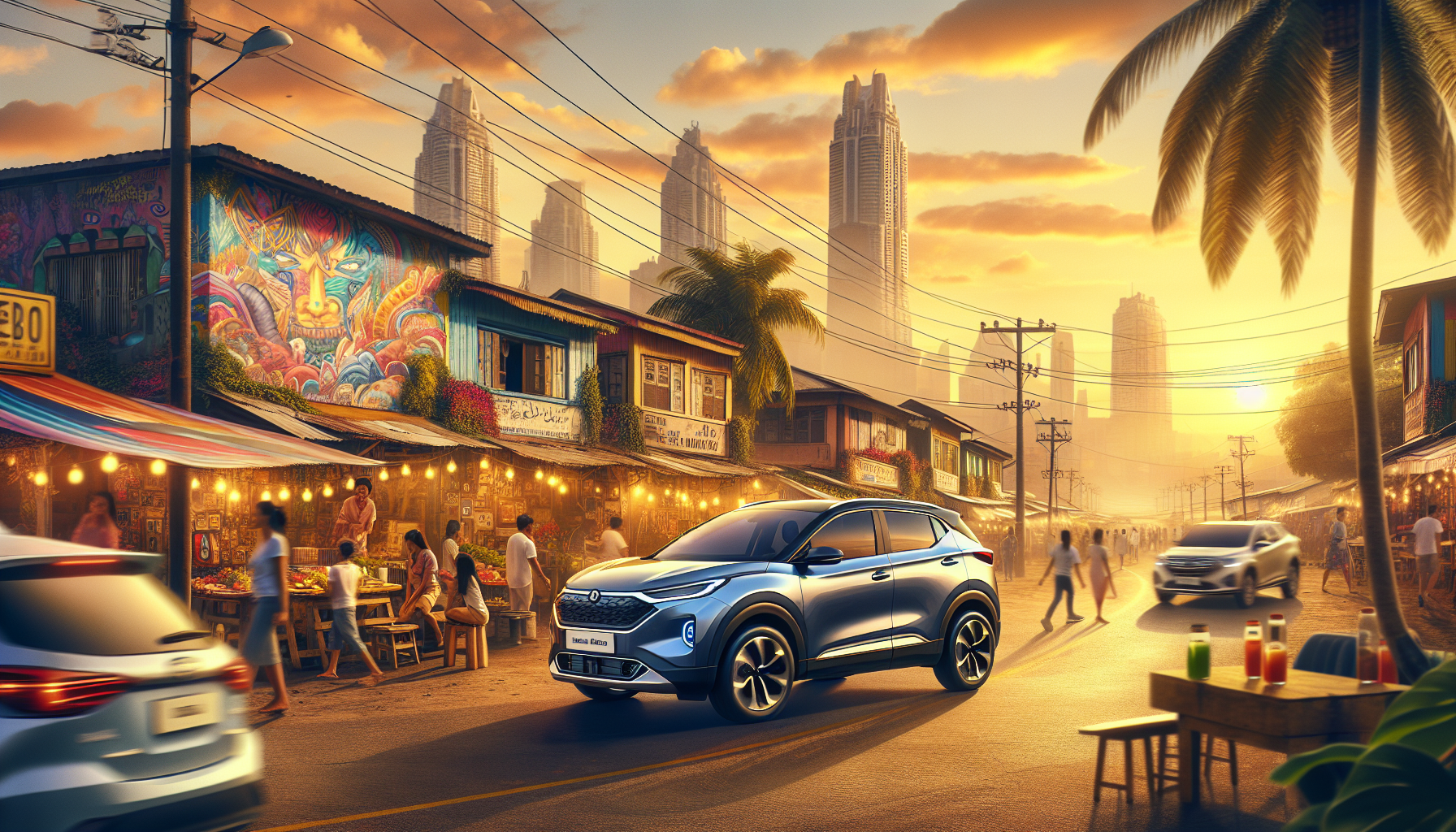
Toyota’s Urban Cruiser: a Strategic Move Amidst the EV Revolution in the Philippines
“`html
Toyota Motor Philippines has officially launched the Urban Cruiser EV, marking a significant step in its strategy to engage with the growing electric vehicle (EV) market. Priced at P2.135 million (approximately $38,000), this offering aims to compete in a landscape increasingly dominated by more aggressive competitors. While it undercuts Toyota’s previous model, the bZ4X, priced at P2.699 million (~$44,700), the Urban Cruiser appears to be more of a placeholder as Toyota gradually pivots towards a fully electric future.
Introduced on March 17, 2026, the Urban Cruiser targets urban professionals and early adopters—a demographic ready to embrace EVs but still cautious about the transition. The vehicle was showcased at the Toyota Gazoo Racing Philippine Cup just days before its official retail launch, effectively positioning it as Toyota’s most affordable fully electric vehicle in the country.
Specifications and Design Insights
The Urban Cruiser is equipped with a front-wheel-drive system, powered by an electric motor that generates a respectable 174 horsepower and 193 Nm of torque. It features a 61 kWh lithium iron phosphate (LFP) battery, enabling it to achieve a range of up to 475 kilometers. However, real-world tests have indicated that this range may drop to around 300 kilometers under typical driving conditions, raising questions about its practicality for daily use.
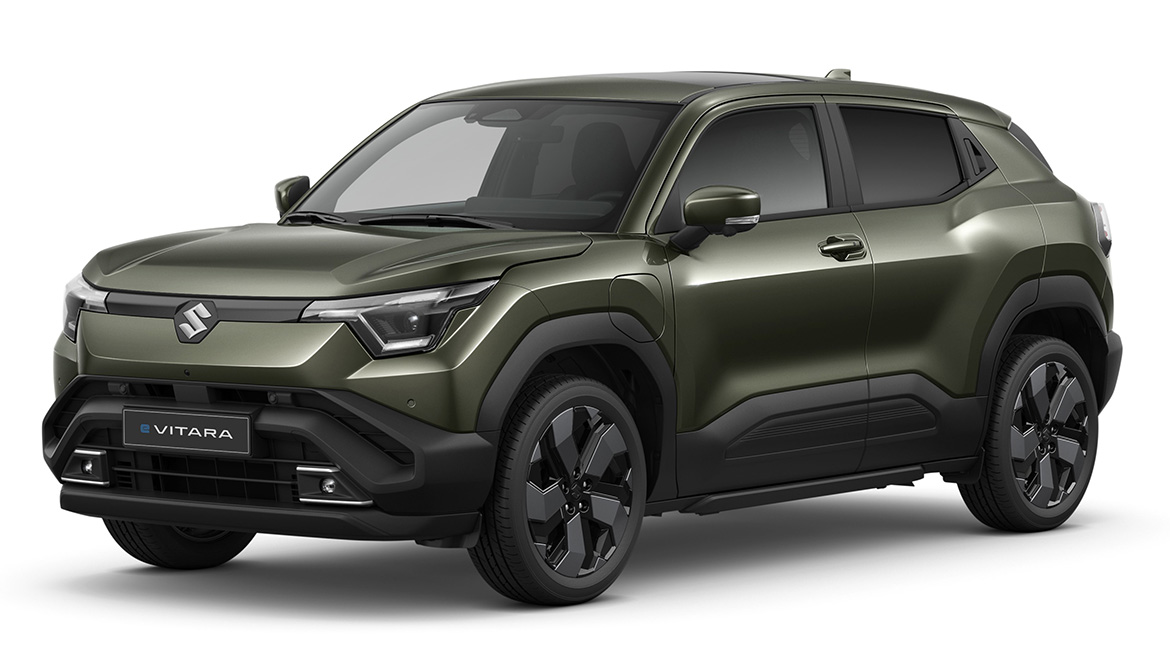
This model is produced as a Completely Built Unit (CBU) in India, under a partnership with Suzuki, positioning it closely to the Suzuki e-Vitara. The Urban Cruiser’s design is pragmatic, focusing on cost and manufacturability while offering essential features like a panoramic sunroof and advanced driver-assist systems (ADAS) to enhance the driving experience.
Market Context and Competitive Landscape
As Toyota navigates the complexities of the Philippine EV market, it finds itself in a defensive posture against a wave of competitive Chinese brands. Companies like BYD, Geely, and MG are rapidly introducing lower-priced models with more features and longer ranges, challenging Toyota’s established presence. The Urban Cruiser’s pricing strategy, while competitive, may not be enough to maintain its market share in a rapidly evolving landscape.
Chinese automakers have gained traction with direct operations in the Philippines, significantly ramping up their EV offerings since early 2025. The Urban Cruiser, while a step forward, risks being overshadowed by these newcomers unless Toyota can leverage its brand equity and dealer network effectively.
Strategic Implications for Toyota
Toyota’s cautious approach to the EV transition reflects a deep understanding of the local market dynamics. The company recognizes that the Philippine car buyer is influenced by a combination of infrastructure availability, policy support, and purchasing power. Charging networks remain sparse outside major urban centers, making the Urban Cruiser more of a calculated introduction to test consumer readiness for EVs.
With its hybrid lineup already well-established, Toyota is not rushing to dominate the EV space but instead is taking a measured approach. The Urban Cruiser symbolizes this strategy—a necessary placeholder that allows Toyota to gauge the local market’s response to electric mobility while still catering to its existing customer base.
Ultimately, the success of the Urban Cruiser will depend on how well Toyota can balance innovation with the realities of consumer behavior in the Philippines. As the market continues to evolve, so too will the definition of what constitutes an “accessible” EV.
“`
Leave a Reply