The Countdown to Terafab
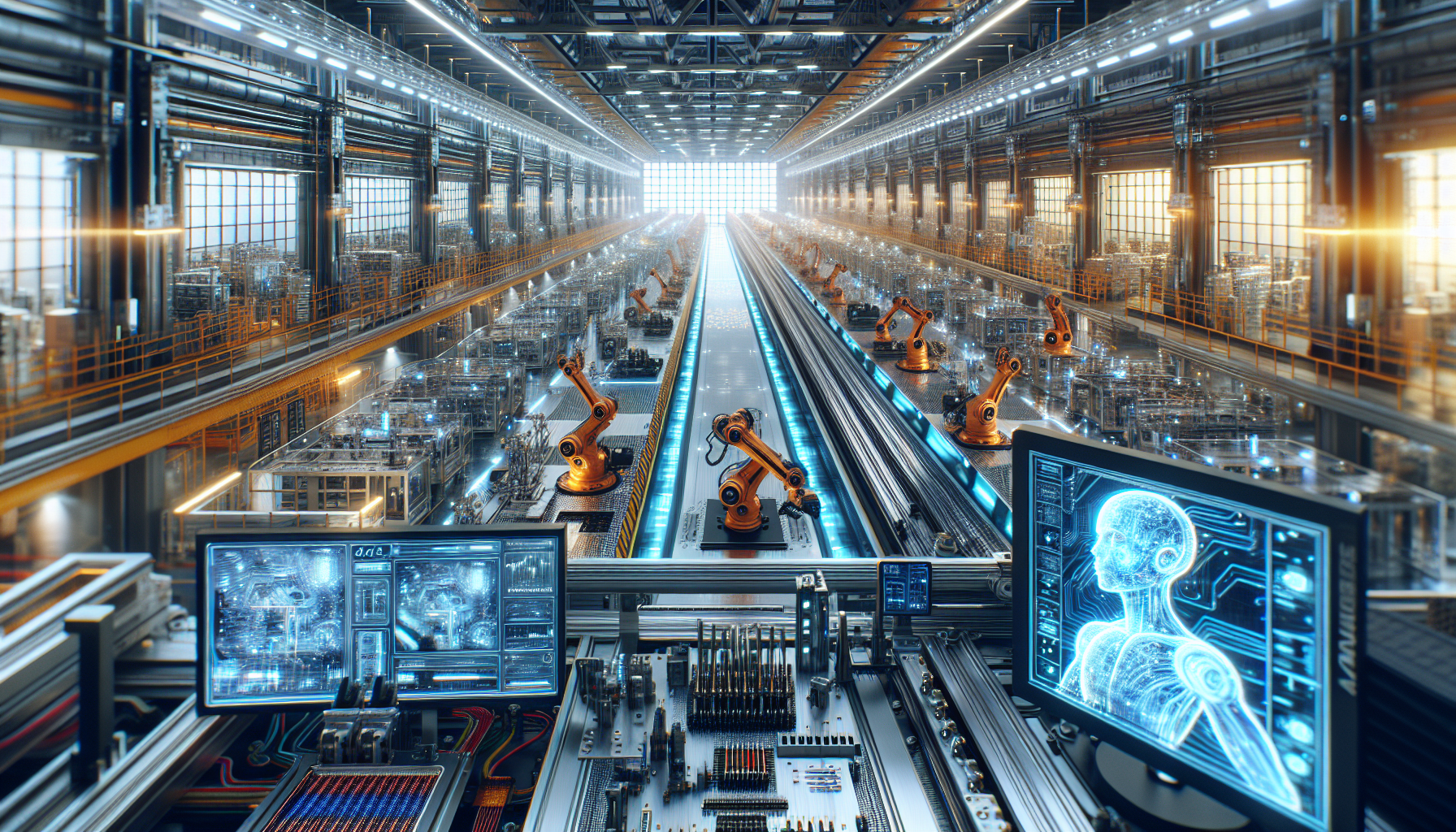
In a bold move that could redefine the automotive landscape, Tesla is set to launch its Terafab Project on March 21, 2026. Announced by Elon Musk on March 14 via X, this ambitious initiative marks Tesla’s first foray into in-house chip fabrication, a crucial step in mitigating future supply chain vulnerabilities. With a projected investment of $20 billion, Terafab aims to revolutionize the production of AI and memory chips essential for Tesla’s advanced technologies.
This project was initially introduced during Tesla’s January 28 earnings call, where Musk emphasized the impending supply constraints that could jeopardize production in just a few years. The need for a “gigantic chip fab” was clear, as existing suppliers could not meet Tesla’s growing demands for chips. As the countdown to launch begins, anticipation builds around the North Campus of Giga Texas, likely the chosen site for this monumental factory.
Strategic Location and Expansion
Speculation is rampant about the Terafab’s construction site, with eyes on the Giga Texas North Campus in Austin. Recent drone footage by observer Joe Tegtmeyer reveals extensive preparations at the site, indicating substantial development comparable to the original factory’s footprint. Although no official announcement has confirmed this location, the evidence strongly suggests that Tesla is poised to break ground soon.
Building this facility on the existing campus not only streamlines operations but also positions Tesla to leverage its current infrastructure. This strategic move reflects Musk’s vision of creating a vertically integrated supply chain, ensuring that Tesla remains at the forefront of automotive innovation.
Advanced Technology: The AI5 Chip
At the heart of the Terafab Project lies the highly anticipated Tesla AI5 chip, which is expected to utilize cutting-edge 2-nanometer process technology. This chip promises to deliver 40 to 50 times more compute performance and nine times the memory compared to its predecessor, the AI4. Such advancements are crucial for enhancing Tesla’s Full Self-Driving (FSD) capabilities, the Cybercab Robotaxi program, and the Optimus humanoid robots.
Production targets for the Terafab facility are ambitious, aiming for 100,000 wafer starts per month. Initial small-batch production of the AI5 chip is expected to commence in 2026, with full-scale manufacturing kicking in by 2027. This timeline underscores Tesla’s commitment to accelerating its AI advancements and solidifying its competitive edge in the market.
Market Implications and Competitive Edge
The launch of Terafab has significant ramifications for the automotive industry, particularly regarding supply chain dynamics. By establishing its own chip fabrication capabilities, Tesla aims to eliminate reliance on external suppliers, which has been a vulnerability for competitors like Waymo and GM’s Cruise. These companies still depend on third-party silicon, leaving them exposed to potential shortages.
If successful, Tesla could position itself as one of the few manufacturers capable of producing advanced 2nm AI silicon in-house, potentially transforming the company into a chip supplier or licensor for other industries. This unique capability not only secures Tesla’s future but also reshapes the competitive landscape of the automotive sector.
The Terafab Project signifies Tesla’s commitment to owning the entire AI stack, from software to silicon. As the launch date approaches, the automotive world waits with bated breath to see how this venture will unfold.
Leave a Reply