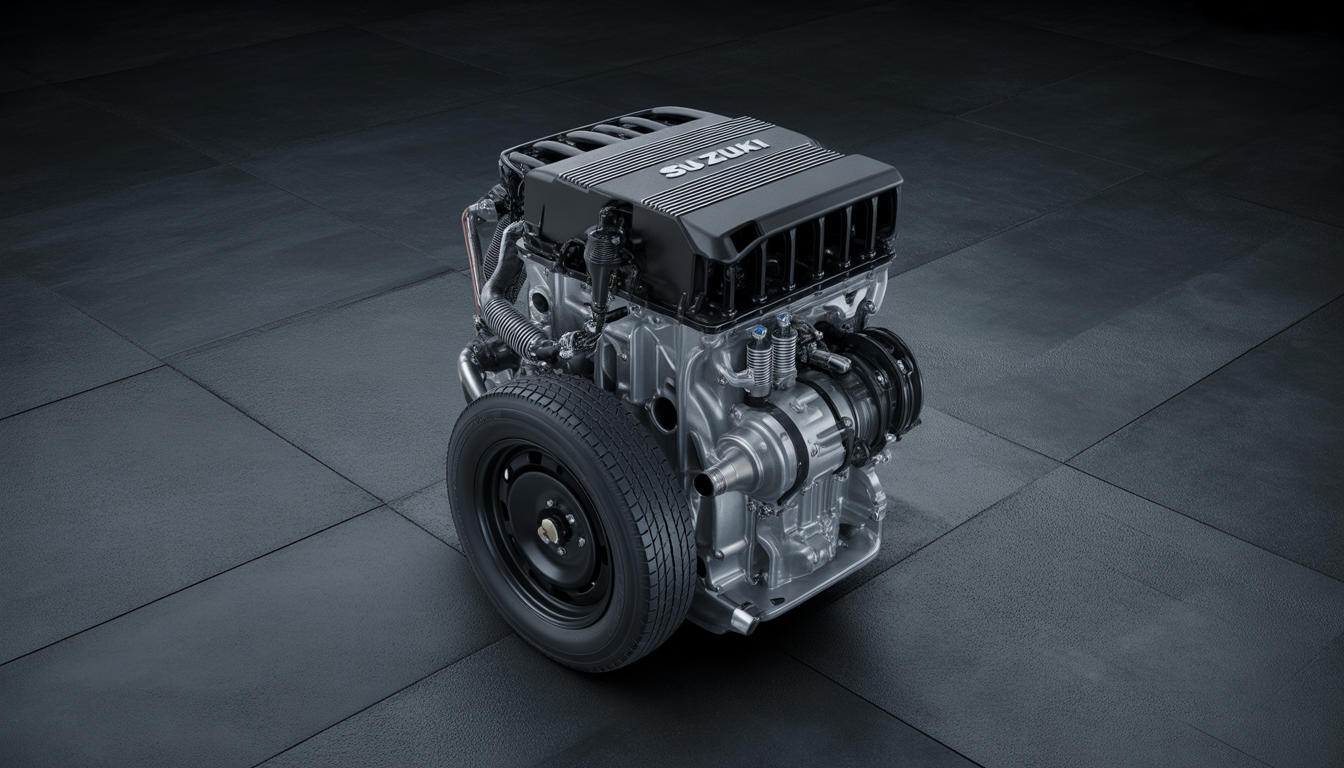
The Ambitious Project
In a bold move, Maruti Suzuki, India’s largest carmaker, committed approximately $110 million (around 1,000 crore rupees) to develop the E15A 1.5-liter diesel engine. This venture aimed to replace the aging Fiat-sourced 1.3-liter DDiS engine, which had powered 30% of the company’s sales for over a decade. The shift was driven by the need to cut costs and enhance efficiency amid tightening emission regulations.
Innovative Features
The E15A engine, launched in the Ciaz sedan and Ertiga MPV in 2019, showcased impressive engineering. Key features included:
- Integrated exhaust manifold: This design, typically seen in gasoline engines, aimed to improve warm-up times and cabin heating.
- Fuel efficiency: The engine boasted an impressive 63 mpg, garnering positive reviews for its refinement and responsiveness.
- Robust construction: Derived from two resized versions of an earlier engine, it featured a dual-mass flywheel for better performance.
The Downfall
Despite its promising start, the E15A faced a catastrophic failure due to compliance with the BS6 emissions norms that came into effect on April 1, 2020. These regulations mandated the use of Diesel Particulate Filters (DPF) to capture soot and other particulates. The cooler exhaust temperatures generated by the integrated manifold prevented effective DPF regeneration, leading to clogging and extensive heat damage. This crucial flaw forced Maruti Suzuki to discontinue the engine merely one year after its launch, marking a significant setback in their engineering aspirations.
Strategic Shift in Focus
The fallout from the E15A debacle prompted Maruti Suzuki to pivot away from diesel engines altogether. Rising diesel costs, coupled with the expensive modifications needed for BS6 compliance, diminished the appeal of diesel powertrains. As a result, the company redirected its efforts toward compressed natural gas (CNG), hybrids, and electric vehicles, aligning with India’s shift toward sustainable mobility.
Industry Implications
This $110 million misstep underscores the risks associated with innovation in a rapidly evolving regulatory landscape. As manufacturers navigate stringent emissions standards, the E15A serves as a cautionary tale about the challenges of balancing ambition with compliance. The automotive industry’s future will likely demand more adaptability and foresight as it transitions toward cleaner alternatives.
Leave a Reply