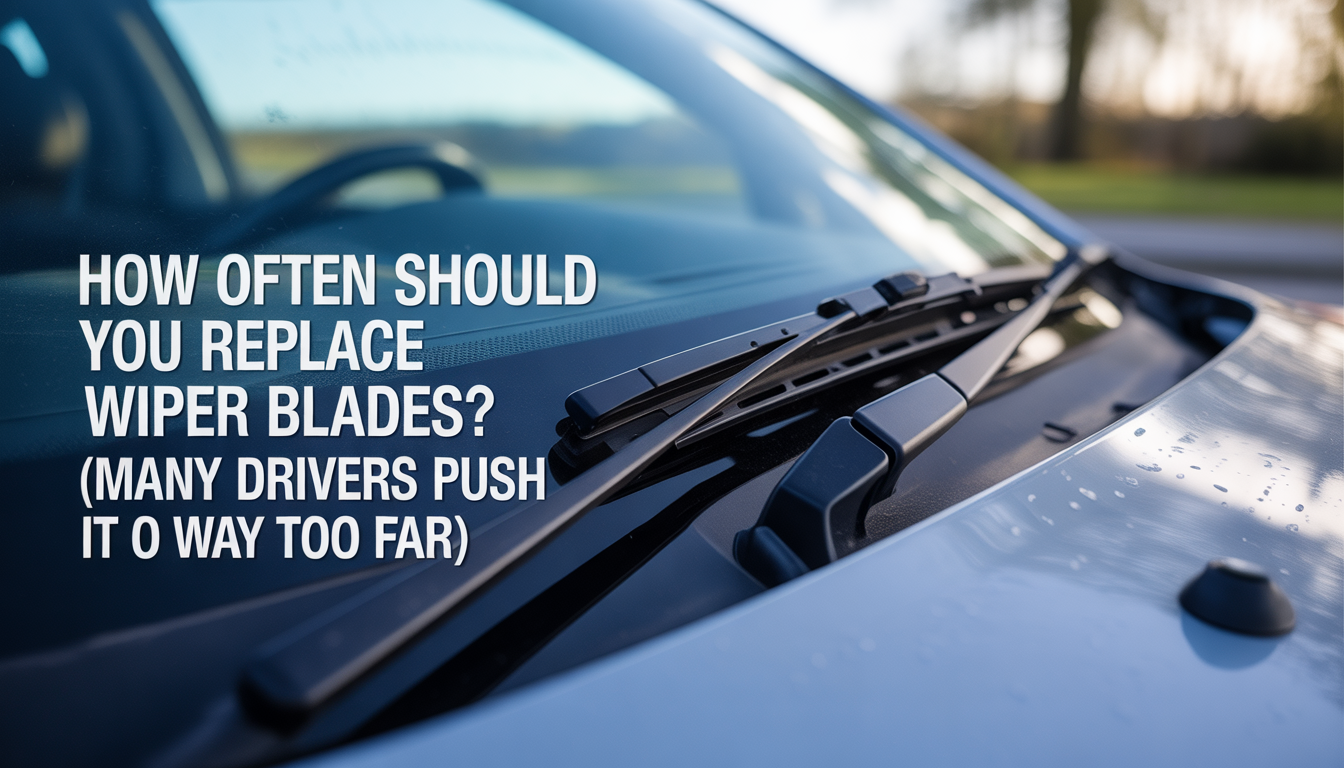
Windshield wiper blades are the unsung heroes of vehicle safety, yet many drivers overlook their maintenance until it’s too late. As visibility drops due to streaks and smears, the question arises: how often should you really be replacing these essential components?
Replacement Recommendations
Most manufacturers advocate for changing wiper blades every 6 to 12 months. For instance, Nissan suggests a 6-month interval, while Ford leans toward a 12-month timeline. A general rule of thumb is every 6 months or 6,000 miles, but this can vary significantly based on driving conditions. Drivers in perpetually rainy locales like Seattle will likely find themselves replacing blades more frequently than those in drier climates like Los Angeles.
Signs It’s Time for a Change
Identifying worn-out wiper blades can save you from dangerous driving conditions. Look out for:
- Streaking or smearing on the glass
- Skipping or chattering during operation
- Squeaking noises while wiping
- Visible damage, such as rounded edges or cracks
These signs indicate that your blades have lost their effectiveness and need immediate replacement. Ignoring them not only compromises visibility but also increases the risk of accidents.
Factors Influencing Blade Lifespan
Wiper blades are subject to wear and tear from various environmental factors, including:
- UV Radiation: Prolonged exposure can harden rubber, leading to cracks.
- Temperature Extremes: Fluctuations can accelerate degradation.
- Frequent Use: Regular operation in rain or snow shortens lifespan.
- Grit and Debris: Dirt can wear down the blade surface over time.
Even if you aren’t using your wipers often, environmental factors can still cause deterioration; thus, regular checks are essential.
Maintenance Tips to Prolong Life
To extend the lifespan of your wiper blades, consider these maintenance practices:
- Regularly clean the blades with soapy water or a glass cleaner.
- Avoid using wipers on dry windshields; clear debris first.
- Lift the wiper arms during snowy conditions to prevent damage.
Such proactive measures not only preserve the rubber integrity but also enhance performance.
Safety Risks of Neglect
Driving with worn wiper blades poses serious safety risks. Poor visibility from streaks or smears can lead to blind spots, especially in adverse weather conditions. Studies indicate that delaying replacement correlates with increased visibility hazards, underscoring the importance of regular maintenance checks for road safety. Don’t let something as simple as wiper blades compromise your safety on the road.
In conclusion, while it may be tempting to push the limits on wiper blade replacement, staying ahead of the curve with regular inspections and timely replacements is crucial for optimal driving safety.
Leave a Reply