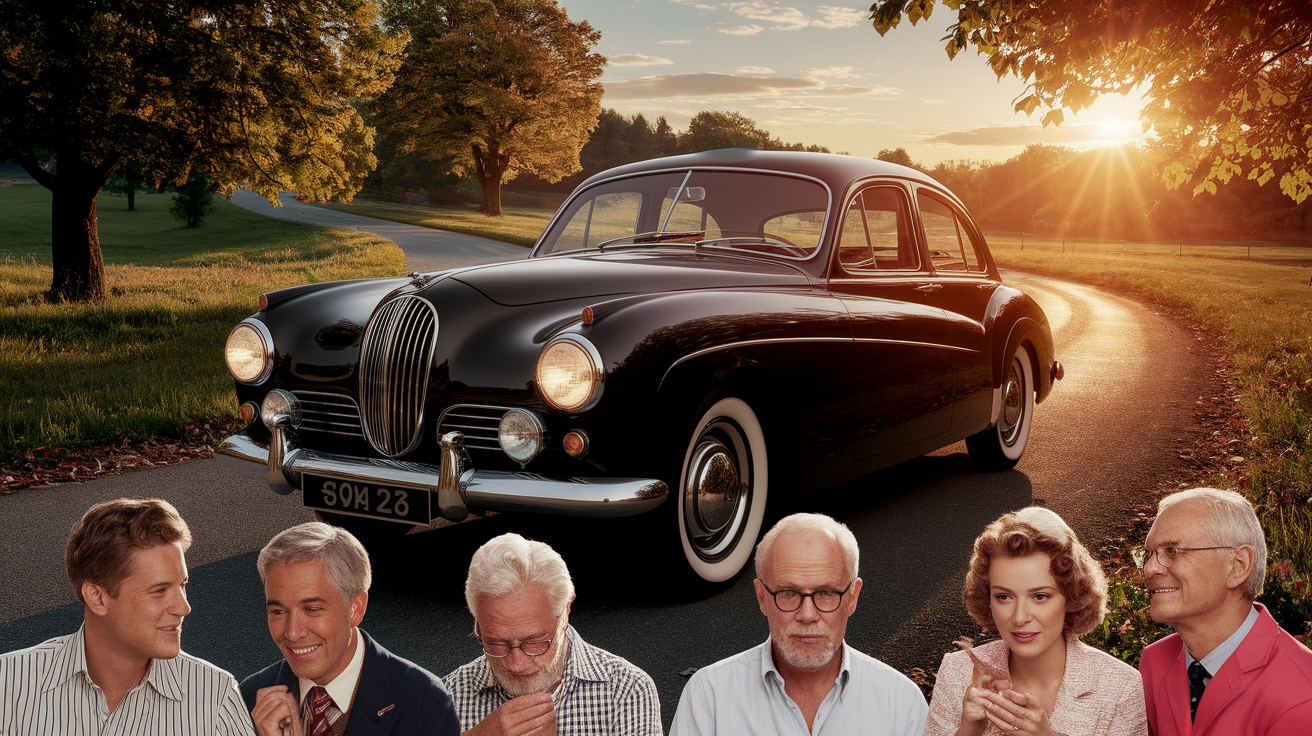
Nostalgia on Wheels: Designers Embrace Classic Touches in Modern Cars
In a recent podcast, Euan McPherson, the lead designer at Frank Stephenson Design, revealed a significant shift in consumer preferences towards traditional automotive features. Many drivers are expressing a longing for the tactile experience of older car designs, favoring physical dashboard controls over the increasingly ubiquitous touchscreen interfaces.
Consumer Trends Driving Design
According to McPherson, this trend is not just a passing phase but a meaningful shift in user sentiment that is influencing the design philosophies of contemporary automotive studios. Key factors contributing to this resurgence include:
- Emotional Attachment: Many consumers feel nostalgia for iconic controls and designs that evoke memories of classic cars.
- Usability Concerns: Drivers are increasingly wary of touchscreen reliance, which can distract from the driving experience.
- Brand Differentiation: As electric vehicles (EVs) converge on similar aerodynamic designs, heritage-driven elements help brands stand out.
- Collectible Appeal: Retro styling often enhances the lifestyle value of vehicles, making them more appealing as collectible items.
Innovative Design Solutions
Automotive designers are responding to these consumer desires by blending traditional elements with modern technology. Strategies include:
- Hybrid Interfaces: Combining physical knobs for essential functions with touchscreen controls for secondary features.
- Haptic Feedback: Integrating tactile feedback in controls to simulate mechanical operation, enhancing user interaction.
- Layered Information Architecture: Maintaining analogue displays for critical driving information while using touchscreens for less vital features.
- Craftsmanship: Selecting premium materials and finishes, such as textured knobs and leather-wrapped controls, to convey a sense of heritage.
Examples of Heritage in Modern Automotive Design
Recent models are showcasing this trend effectively, with several production vehicles and concepts incorporating these nostalgic elements. Notable examples include:
- Retro-inspired reboots of classic SUVs and sports cars, which have gained significant popularity.
- Concept cars that integrate analogue dials alongside modern digital displays, creating a harmonious blend of old and new.
- Customization markets emphasizing physical controls and heritage styling, affirming consumer demand for tactile experiences.
This movement reflects a broader consumer trend towards valuing the emotional and experiential aspects of car ownership, suggesting that the industry may be heading towards a renaissance of classic design elements.
As McPherson noted in the podcast, the automotive landscape is evolving, and designers are keenly aware of the shift. By tapping into nostalgia while embracing modern technology, the industry can create vehicles that resonate with both sentiment and innovation.
Leave a Reply