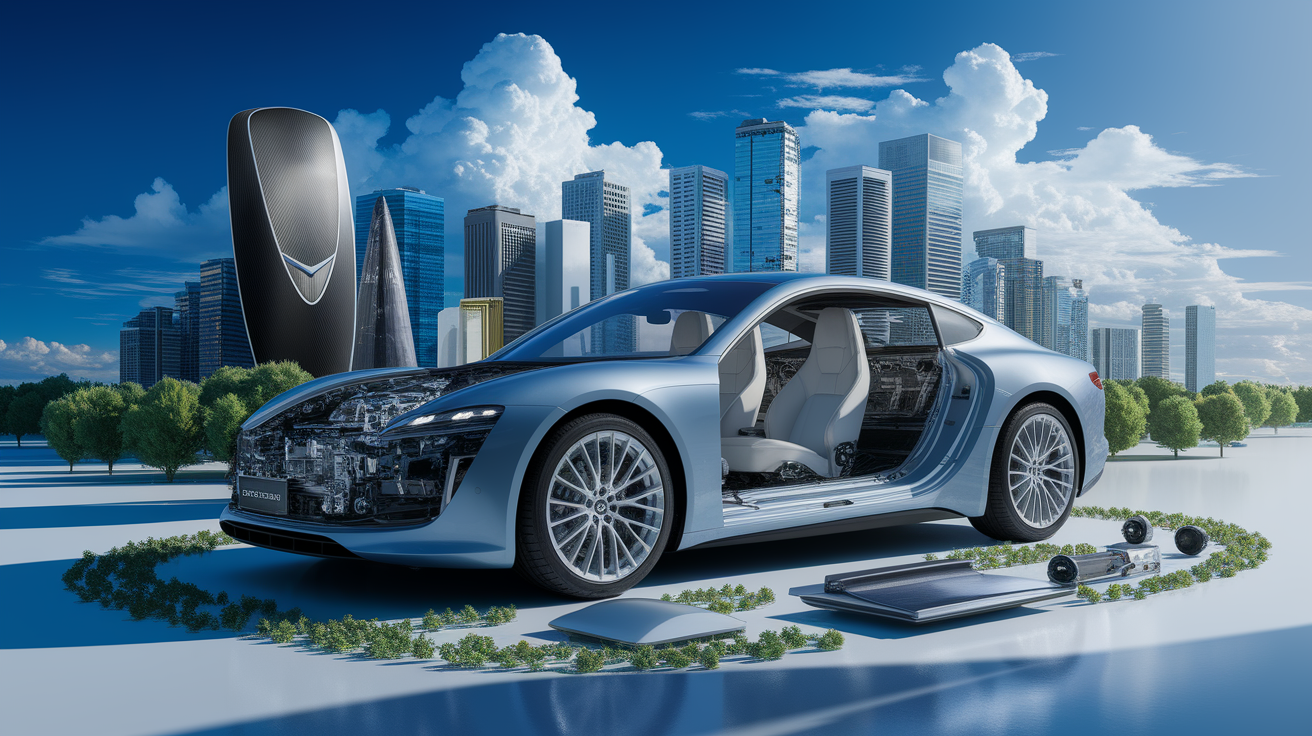
Lightweight Revolution: Your Car’s Secret Weapon for Efficiency
As the automotive landscape shifts towards sustainability and efficiency, the spotlight is shining on a surprising hero: the car seat. Often overlooked, this crucial component holds the key to significant weight reduction, which is essential for enhancing fuel efficiency and performance.
The Weighty Challenge
Reducing vehicle weight is pivotal in the quest for better fuel economy and lower emissions. A mere 10% reduction in weight can lead to a 6-8% improvement in fuel efficiency. Moreover, every 50 kg shed can cut emissions by up to 5 g CO2 per kilometer. With modern vehicles growing heavier due to safety features and electrification, lightweighting offers a path to save over 5 billion gallons of fuel annually by 2030 if applied across the board, as highlighted by Energy.gov.
Inside the Seat: A Complex Design
Car seats are not just cushions; they are intricate assemblies that include frames, foam, and safety features. The average front seat frame weighs around 12.5 kg, contributing to a total seat weight of approximately 50 kg for front and rear combined. Manufacturers are currently using lightweight steels and aluminum to achieve around a 15% weight reduction, but innovation is driving further advancements.
Advanced Manufacturing Techniques
Recent developments in manufacturing are transforming seat design. Companies like Toyota and Porsche are exploring 3D printing for seat structures, while Audi’s Concept Breathe from 2017 utilized biodegradable plastics in its design. BMW is leading the charge with its M Visionary Materials seat, employing robotic filament winding technology. This method results in structures that are 60% lighter than traditional designs without compromising strength.
Sustainable Materials on the Rise
The push for sustainability is prompting the use of high-strength steels, aluminum, and innovative materials like carbon fiber composites and bio-based leathers. BMW’s innovative seat features these advanced materials, promising weight savings of between 10-75%. The use of EPP/EPS foams enhances energy absorption while keeping weight low, making them ideal for seat cores.
Challenges Ahead
Despite the advancements, several challenges remain. Manufacturers must ensure that new materials and designs maintain crash safety, comfort, and affordability. Integrating electronics and meeting recycling standards are also critical. However, the implications are vast—lighter seats can significantly extend the range of electric vehicles and help manufacturers comply with stringent emissions regulations.
The Road Ahead
As the automotive industry continues to innovate, the future of car seats looks promising. By embracing lightweighting strategies, manufacturers can reduce overall vehicle weight by 10-20 kg purely through seating solutions. This shift not only enhances efficiency but also paves the way for a more sustainable automotive future.
Leave a Reply