Power Outage Challenges: Key Lessons for Autonomous Vehicles
The Outage That Shook San Francisco
In December 2025, a massive power outage swept through San Francisco, affecting nearly one-third of the city. Triggered by a substation fire and subsequent safety shutdowns, the incident left traffic lights dark and emergency services scrambling. The ensuing chaos resulted in significant gridlock as intersections defaulted to manual control, prompting police intervention to manage traffic flow. According to local reports, the outage not only disrupted daily life but also tested the resilience of urban infrastructure.
Autonomous Vehicles Under Pressure
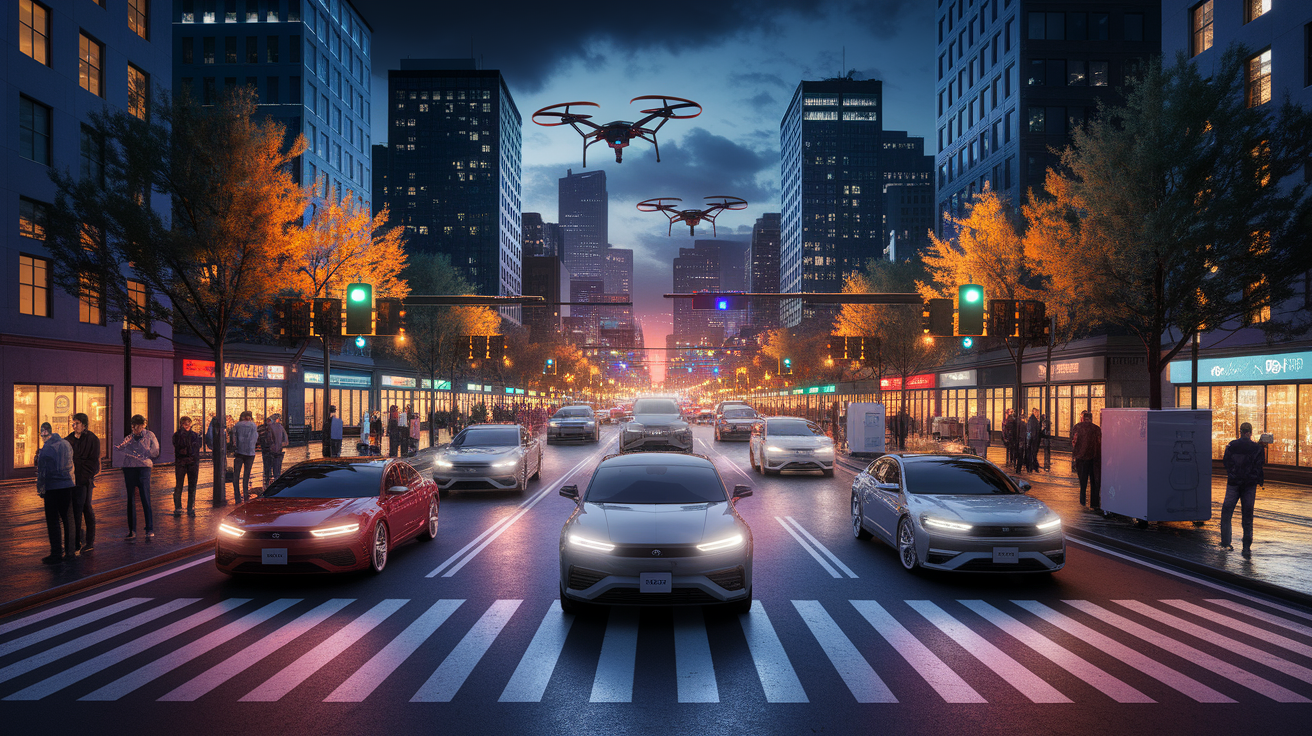
During this critical moment, autonomous vehicle (AV) systems faced unprecedented challenges. Built to navigate complex urban environments, these vehicles typically rely on functioning traffic signals. With many intersections going dark, AV operators reported a spike in requests for human confirmation before proceeding through unlit intersections, leading to operational slowdowns and further congestion.
Operational Backlogs and Decision-Making Delays
AVs like those from Waymo are designed to treat dark signals as four-way stops, but the sudden influx of confirmation requests created a backlog that hampered decision-making. This delay further exacerbated the already congested streets, as reported by Waymo during the outage.
Strategic Lessons for the Future
The PG&E outage provides crucial insights for the future of autonomous mobility and fleet management. Here are some vital takeaways:
- Integration of Real-Time Data: AV systems must incorporate external grid data to provide timely context about outages. This adjustment would enable vehicles to modify routing and decision-making thresholds accordingly.
- Decentralized Decision Logic: To avoid bottlenecks in human confirmations, deploying pre-authorized decision frameworks during mass outage scenarios is essential.
- Emergency Coordination: Close cooperation with city traffic management and first responders is vital to prevent AV fleets from obstructing emergency operations.
- Staging Procedures: Planning explicit service pauses and vehicle staging can help remove AVs from congested areas while maintaining safety.
Regulatory and Public Safety Implications
The outage also raises significant regulatory concerns for AV deployment. As cities grapple with the integration of autonomous technology, regulators expect operators to have robust emergency plans. The need for predictable AV behavior during crises is paramount, making compliance with public safety protocols critical.
Enhancing First Responder Training
To bolster safety, AV operators should enhance training programs for first responders, ensuring they understand how to interact with autonomous vehicles during emergencies. According to PG&E, improved communication and coordination between AV operators and municipal agencies will be necessary for effective emergency responses.
A Path Forward for Autonomous Mobility
The lessons learned from the PG&E outage underscore the need for resilience in AV technology. As cities increasingly adopt these innovations, understanding how to navigate large-scale infrastructure failures will be crucial. Future research should focus on enhancing AV behavior in correlated failure scenarios, ensuring public trust in autonomous systems during crises.
Leave a Reply