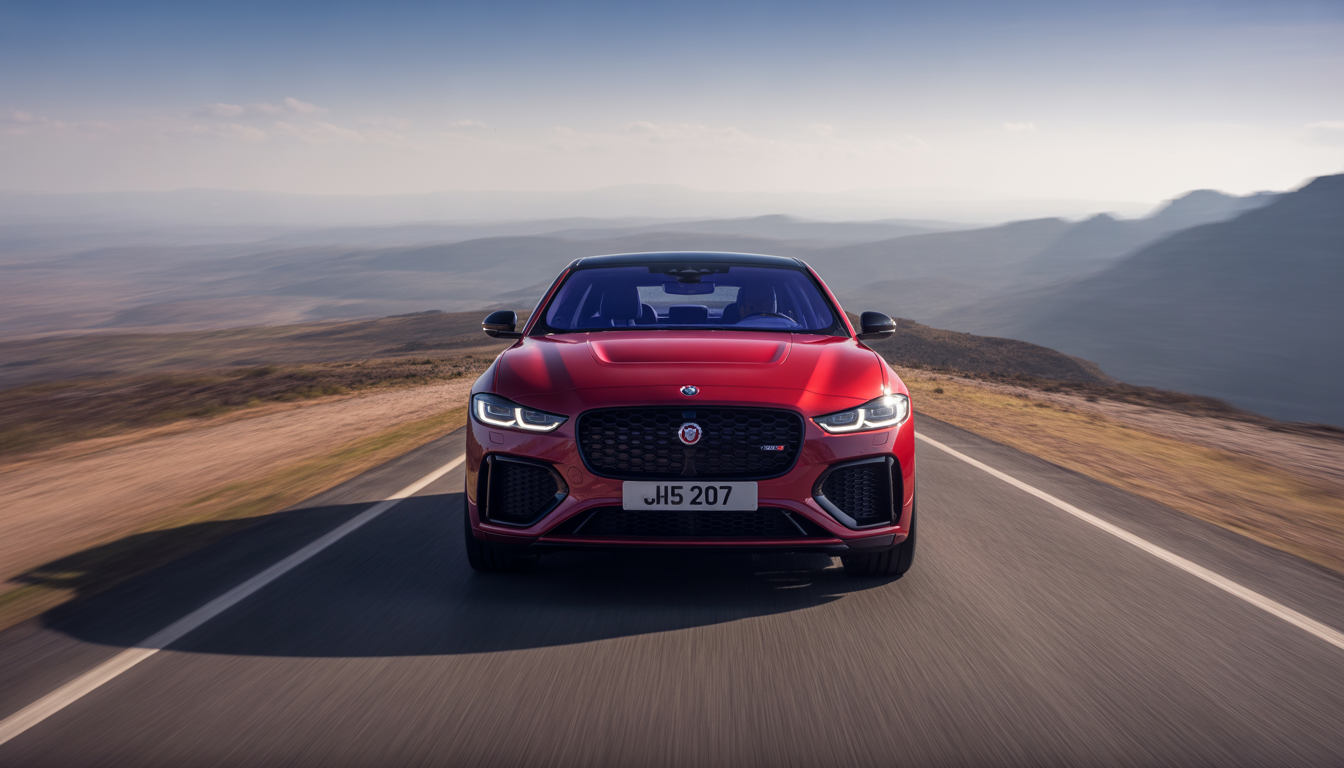
Jaguar is at a critical crossroads. After years of losing ground to German giants like BMW, Audi, and Mercedes, it has finally recognized the need for a daring transformation. With a plan to elevate its market position, Jaguar aims to reclaim its status as a premier luxury brand by embracing a bold strategy focused on high-margin electric vehicles (EVs).
The Competitive Landscape
Over the past two decades, Jaguar’s market position has eroded significantly. The relentless expansion of BMW, Audi, and Mercedes in terms of product diversity and technology investments has left Jaguar struggling to compete. The German trio’s dominance in luxury sales and extensive dealer networks has made it increasingly difficult for Jaguar to maintain a foothold in critical markets, particularly in China and North America. Aging product lines and inconsistent model positioning have further compounded its challenges, pushing Jaguar to the margins as mainstream rivals infiltrate premium segments.
Design and Product Strategy Failures
Jaguar’s product strategy has been marred by a lack of clear design language and frequent repositioning. While attempts to compete directly with the likes of the BMW 3 Series and the Audi A4 yielded mixed results, the late entry into the lucrative SUV and EV markets has been particularly damaging. Critics argue that a radical repositioning is essential—either solidifying its identity as a performance-focused luxury brand or shifting towards exclusive, high-margin products. The unveiling of the Type 00 concept car was a bold step, hinting at a new direction targeting a price point around £140,000, distancing itself from mainstream competitors.
Embracing Heritage and Innovation
Jaguar’s rich heritage in performance and British luxury remains a valuable asset. However, recent design controversies and leadership changes have led to uncertainty within the brand. The departure of influential figures, including the head of design, has raised questions about the consistency of its future vision. Nevertheless, the excitement surrounding the forthcoming four-door GT-style EV indicates that Jaguar is ready to embrace a modern identity while leveraging its storied past.
The Business Case for High-End EVs
Transitioning to high-end EVs presents a viable business strategy for Jaguar. By targeting affluent buyers willing to pay a premium for exclusivity and bespoke features, Jaguar can capitalize on its heritage. This shift, however, is fraught with challenges, including the need for high-quality suppliers and a retooled production strategy. According to McKinsey, luxury EVs have seen growing demand as consumers seek unique experiences and designs. For Jaguar, success hinges on delivering exceptional quality, innovative storytelling, and superior customer service.
Looking Ahead: Operational Challenges and Market Reception
Despite a clear vision, Jaguar faces significant operational hurdles. The retooling of factories, securing reliable suppliers, and retraining dealer networks are crucial steps that must be executed flawlessly. Additionally, marketing strategies must be tailored to attract high-net-worth consumers, differentiating them from mainstream channels. With the automotive landscape shifting rapidly, Jaguar must effectively manage investor expectations and ensure that its product launches resonate positively with luxury buyers.
As Jaguar prepares to unveil its latest offerings, the stakes have never been higher. The journey towards revitalizing the brand and re-establishing itself as a luxury powerhouse is fraught with challenges, but the bold pivot towards high-margin EVs could signal a new era for this iconic marque.
Leave a Reply