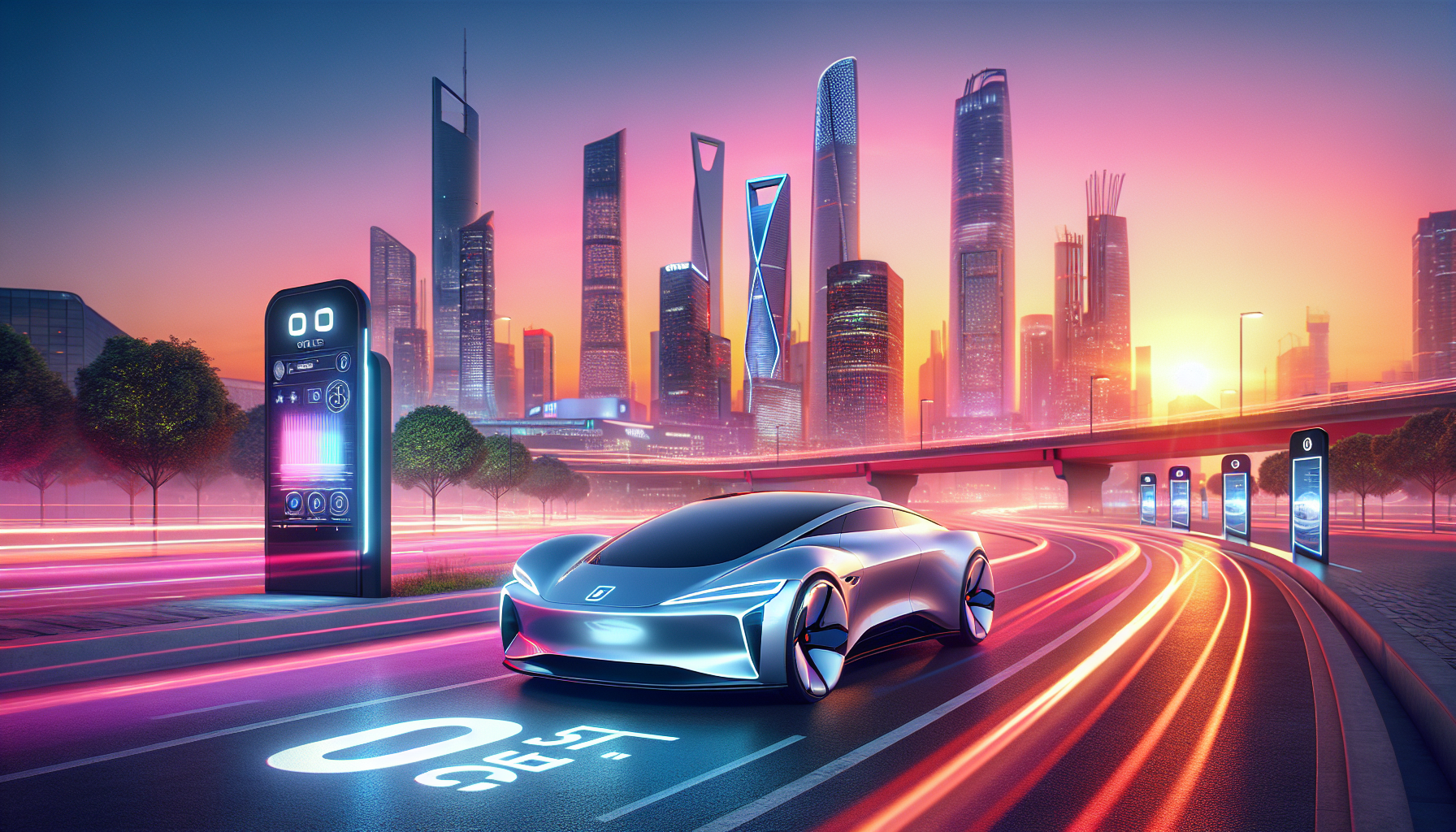
In a surprising turn of events, Honda has officially canceled its ambitious 0 Series electric vehicles (EVs) just months before their anticipated launch. This decision affects the 0 SUV, 0 Saloon, and the Acura RSX models, which were all set for production this year. The cancellation highlights the mounting pressures Honda faces in a cooling electric vehicle market.
Market Conditions and Strategic Retreat
According to Honda, the slowdown in EV adoption in the United States is primarily due to recent policy shifts. These include the Trump administration’s reduction of penalties related to the CAFE fuel economy standards and the elimination of the federal tax credit for EV purchases, which is set to expire in September 2025. Such changes have dampened consumer incentives and stymied demand for electric vehicles.
Honda’s decision comes on the heels of increased tariffs in the U.S. and a competitive landscape in Asia that is becoming increasingly challenging. The company noted that newer EV manufacturers are rapidly delivering products with superior value and advanced technology, which has further eroded its market position.
Honda’s Financial and Competitive Challenges
The automaker’s statement underscores the financial strain stemming from its pivot towards electric vehicle development. Honda has reported ongoing losses, exacerbated by resource allocation that has hindered its competitiveness in Asia. The company has struggled to match the pace and innovation of rival manufacturers, particularly in China, where it has faced significant challenges.
As part of its broader strategy, Honda had initially planned to introduce the 0 Series at its EV Motor Hub in Marysville, Ohio. Production for these models was slated to begin in 2026, following their unveiling at CES in January 2025. However, the recent announcement halts these plans, indicating a significant shift in Honda’s approach to electric mobility.
Operational Implications for Honda
The cancellation not only halts the production of the 0 SUV and 0 Saloon but also reflects Honda’s broader strategy of scaling back its aggressive EV goals. The company had aimed for a 100% zero-emission lineup by 2040, but this vision is now being revised. Honda is pivoting towards hybrid technologies, with plans for 13 new hybrid electric vehicles (HEVs) starting in 2027.
This strategic retreat mirrors trends seen across the industry, with other automakers like Ford and Nissan also reassessing their electric vehicle investments in light of market conditions. Honda’s shift indicates a cautious approach towards EV development, prioritizing hybrids while maintaining a smaller EV footprint until market conditions improve.
What Lies Ahead for Honda and Its EV Aspirations?
As the automotive landscape continues to evolve, Honda’s cancellation of the 0 Series presents a significant moment of reflection for the industry. The decision serves as a warning about the risks associated with over-investment in electric vehicles amid shifting government policies and consumer preferences. It remains to be seen how Honda will navigate these challenges as it focuses on hybrid technologies and a more conservative EV strategy.
This move also raises questions about the future of EV adoption in the U.S. and how established automakers will adapt to the rapidly changing environment. For now, Honda’s setback is a stark reminder of the hurdles facing traditional manufacturers in the transition to electric mobility.
Leave a Reply