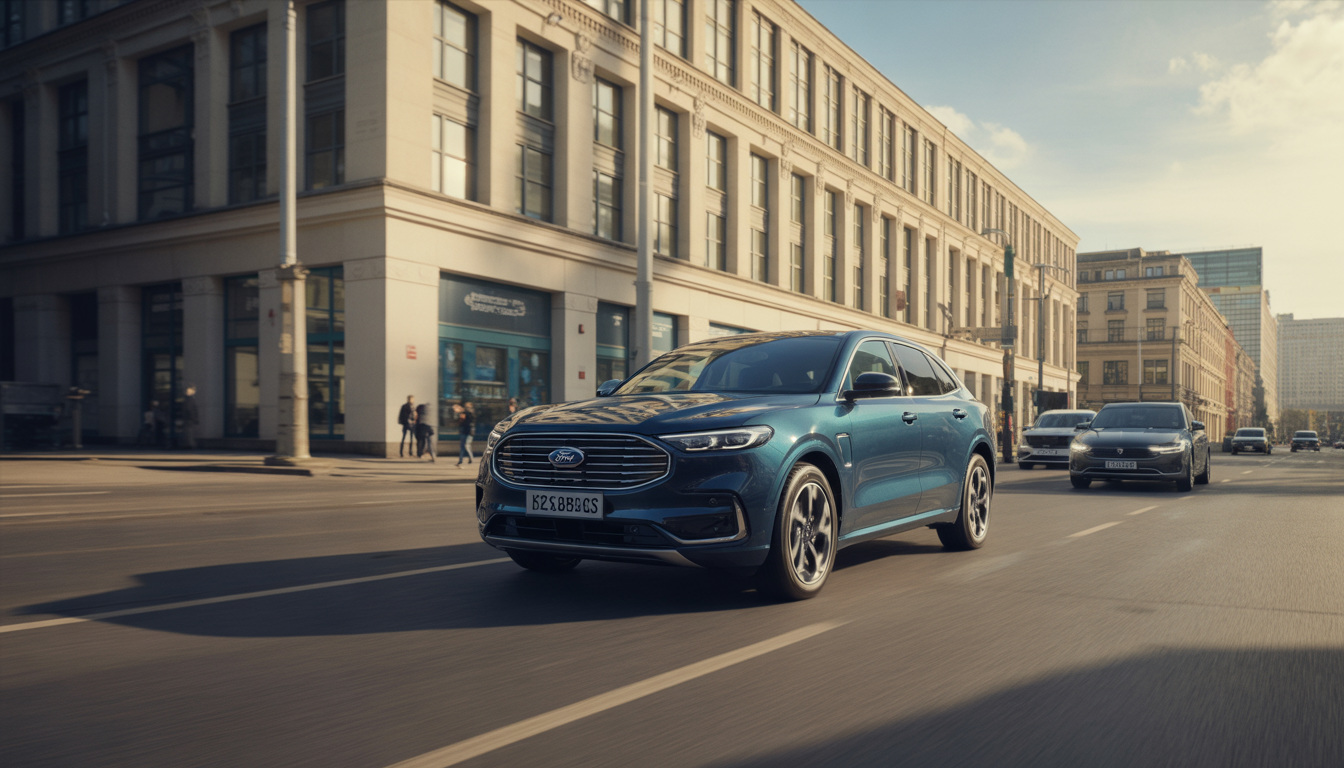
Ford’s Bold Move: Cancels $6.5 Billion Battery Deal With Lges
In a significant shift in strategy, Ford Motor Company has cancelled its battery supply agreement with LG Energy Solution (LGES), a move that underscores the automaker’s evolving approach to electric vehicle (EV) production. The deal, valued at approximately 6.5 billion USD, was initially signed in October 2024, encompassing the delivery of 109 GWh of battery cells intended for Ford’s light electric commercial vehicles in Europe.
Details of the Cancellation
The cancelled contract included plans for 34 GWh of battery cells to be supplied from 2026 to 2030 and an additional 75 GWh from 2027 to 2032. These batteries were set to support models produced at LGES’s facility in Poland, notably the next-generation E-Transit, part of Ford’s joint venture with Koç Holding in Turkey and Romania. However, following a decision to scale back several EV projects, including the discontinuation of the pure BEV F-150 Lightning, Ford no longer requires these batteries. As a result, production for North American models like the Mustang Mach-E will now shift to LGES’s Michigan plant starting in 2025.
Ford’s Strategic Shift
Ford’s decision reflects a broader realignment of its battery-electric vehicle strategy, particularly in the US market. The automaker has scrapped plans for new electric models until the launch of its Universal EV Platform in 2027, which aims to produce more affordable vehicles. This includes halting several electric commercial vehicle launches and dissolving its battery joint venture with SK On, indicating a clear pivot towards hybrid solutions and partnerships with established manufacturers like Renault and Volkswagen.
Market Reactions and Implications
The cancellation has sent ripples through the market, with LGES shares dropping over 7% in the wake of the announcement. Analysts highlight the challenges that LGES faces in replacing the lost volume and the potential delays in optimizing its Poland plant’s capacity. This situation reflects broader uncertainties in the EV market, where demand forecasts are softening amid shifting policies and automaker strategies.
Looking Ahead
As Ford redefines its approach to electric vehicles, the emphasis on partnerships and cost-efficiency cannot be overlooked. The pivot towards using existing platforms from partners like Renault and Volkswagen points to a strategic move to mitigate development costs while addressing the current EV demand landscape. The coming years will be critical for Ford as it navigates these changes, aiming for a market-ready launch of its new platform in 2027.
Leave a Reply