The Return of Ford Racing
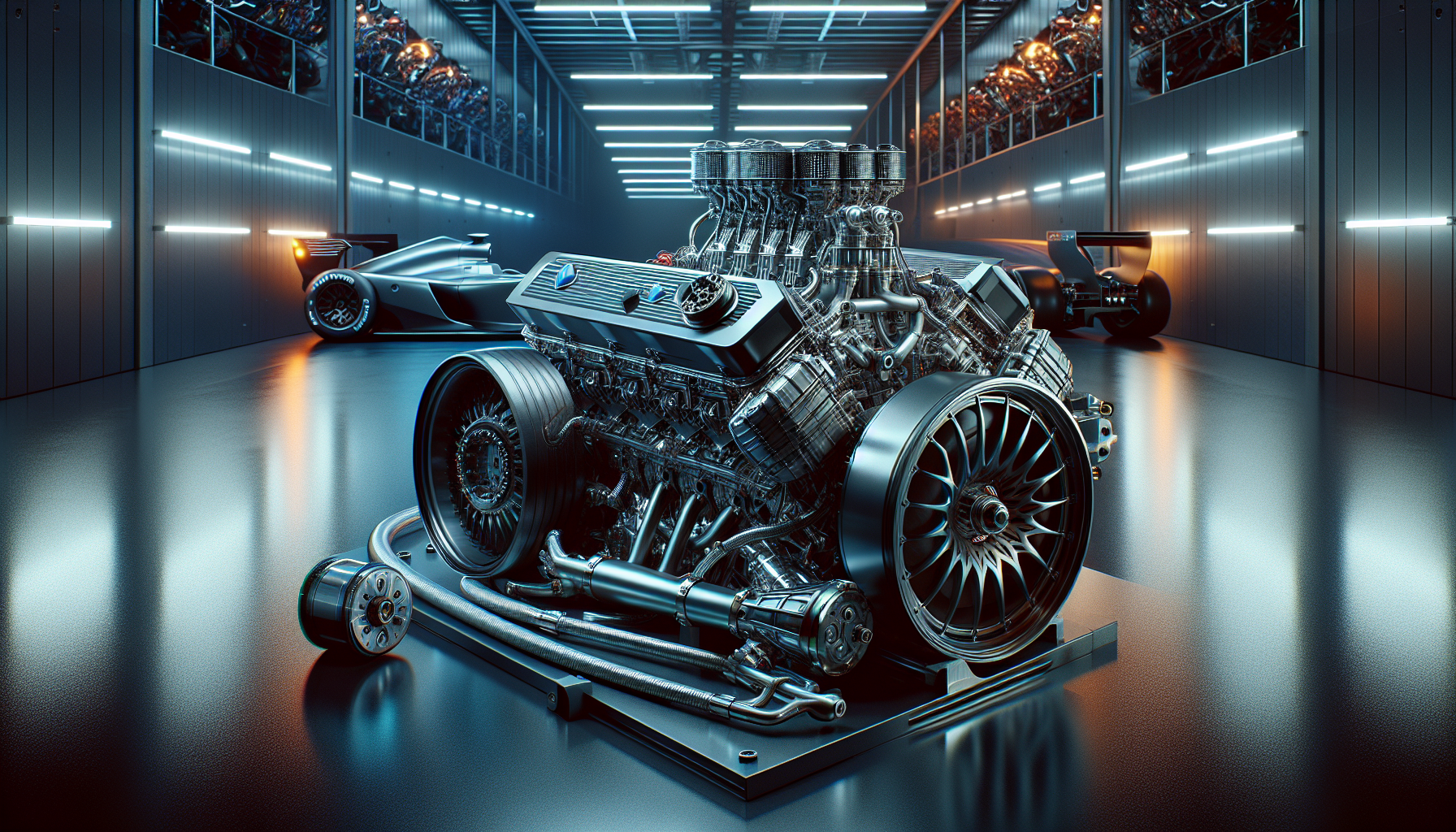
Ford is making a triumphant return to top-tier endurance racing with its latest announcement: a 5.4-liter naturally aspirated Coyote V-8 engine for the 2027 LMDh class. This engine, adapted from the Mustang lineage, is set to compete in prestigious events like the 24 Hours of Le Mans. The stakes are high, with Ford aiming for a maximum output of approximately 740-750 horsepower at the crank.
According to The Drive, the development timeline includes firing up the engine in April 2026, hybrid component integration by the end of Q1 2026, and preliminary laps planned for Q3 2026. This ambitious schedule reflects Ford’s commitment to leveraging its racing heritage as it re-establishes itself in the hypercar arena.
Innovative Modifications and Performance Goals
This new Coyote engine represents a significant departure from its production counterparts. Although it starts with a familiar block casting, Ford Racing’s chief powertrain engineer, Christian Hertrich, emphasized that extensive modifications have been made to enhance performance and durability. Features like lightweighting strategies and innovative engineering solutions aim to meet the rigorous demands of endurance racing.
The engine is designed to excel at high revs, a necessity in the competitive LMDh environment. While the stock Mustang Dark Horse’s V-8 produces 500 horsepower, the hypercar variant will need to push boundaries, potentially revving to over 9000 RPM—a critical factor for maximizing performance on the track.
Key Partnerships and Technical Innovations
Ford is not navigating this journey alone. The company has formed strategic alliances with several key partners, including Oreca for chassis and aerodynamics, and Red Bull Ford Powertrains for hybrid technology. This collaborative effort aims to enhance the reliability and performance of the Coyote V-8 while integrating cutting-edge technologies derived from Formula 1.
One of the distinctive features of this engine is its innovative front cover design, which integrates critical components while contributing to the engine’s structural integrity. This approach not only simplifies the build but also helps in reducing potential failure points, a recurring challenge in high-performance engines.
Competitive Edge in LMDh Racing
The LMDh class regulations impose a cap on total output, limiting it to about 650-700 horsepower through a Balance of Performance (BoP). However, Ford’s strategy to target a higher output from its naturally aspirated Coyote engine sets it apart from the predominantly turbocharged competition. This approach aligns with the performance goals while employing a production-based block, which offers optical advantages and flexibility under BoP rules.
Ford’s focus on lightweighting the Coyote V-8 to achieve a minimum weight of 397 pounds is critical for maintaining speed and agility. The push for maximum power without relying on hybrid assistance ensures that the car remains competitive, even in scenarios where the battery charge is low or hybrid systems fail.
Challenges and Industry Implications
While the excitement around the Coyote V-8 is palpable, several challenges loom ahead. Early development phases will test the engine’s durability at high revs, especially as it approaches or surpasses the limits established for GT3 racing. Additionally, the integration of hybrid systems poses operational risks that Ford must navigate carefully.
Success with the Coyote V-8 could not only revive Ford’s legendary presence at Le Mans but also translate advanced technologies into production vehicles, like the upcoming Mustang GTD. This potential crossover could reinvigorate Ford’s lineup, blending racing pedigree with consumer appeal.
Leave a Reply