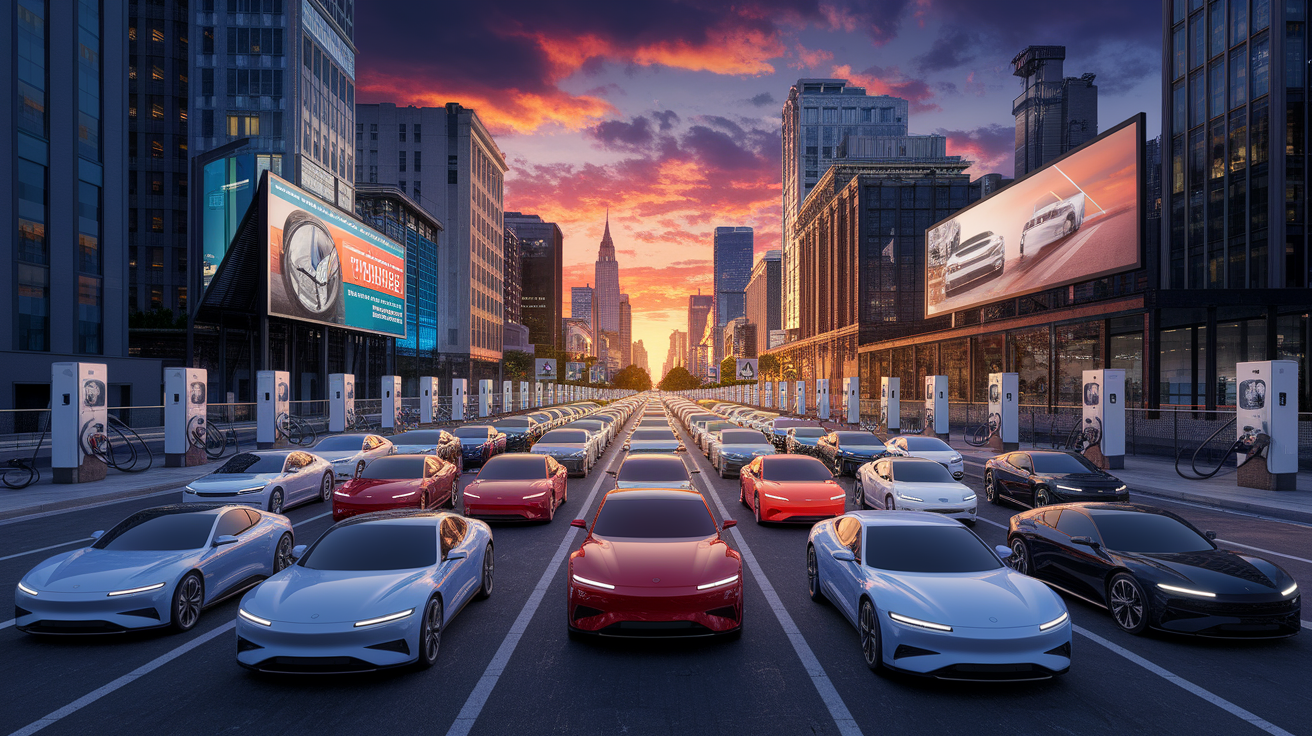
Current Landscape of the EV Market
The electric vehicle (EV) market in the United States is facing significant headwinds. As of 2025, national EV penetration remains frustratingly low, with new light-duty vehicle sales hovering around 8% to 11%. Despite over 150 models available, the fluctuations in quarterly sales and regional disparities highlight a market struggling to gain traction. States like California and Colorado boast much higher adoption rates, but the national average tells a different story. According to Autos Innovate, the overall EV share of sales has even seen minor declines in certain quarters, raising alarms among industry observers who argue that EV advocates are currently losing ground in the U.S. market.
Policy Shifts Impacting Adoption
Changes in federal and state policies have played a pivotal role in shaping the current scenario. Major incentives and tax credits that once bolstered EV adoption were modified or phased out in 2025. Such shifts created a short-term spike in purchases but have since led to a notable pullback in consumer interest. The instability of U.S. policies stands in stark contrast to the steady regulations seen in countries like China and Europe, where consistent support has resulted in much higher EV market shares—33% in China and 19% in Europe, as reported by BNEF.
Automaker Responses to Market Pressure
In response to these turbulent market conditions, many automakers have reassessed their EV strategies. Some have postponed or canceled specific battery electric vehicle (BEV) models, redirecting resources toward more profitable internal combustion engine (ICE) and light-truck segments. This pivot has been largely attributed to a lack of consumer demand and profitability concerns, as highlighted by Autovista24. Although companies like Tesla continue to dominate U.S. EV sales, the reduced regulatory pressure and diminished incentives are causing many original equipment manufacturers (OEMs) to lag in their electrification commitments.
Infrastructure Constraints and Consumer Hesitations
The EV charging infrastructure remains a critical barrier to broader adoption. While public charging networks have seen some growth, the pace is insufficient to meet projected demand. Many regions still lack adequate access to fast chargers, which is a significant deterrent for potential EV buyers. According to Recurrent Auto, millions more charging ports are needed by 2030 to cater to increased EV numbers; without streamlined permitting and coordinated infrastructure investment, consumer confidence will likely remain low.
Public Sentiment and Political Narratives
Public perception is another battlefield in the EV struggle. Polarized views reflect a broader societal debate, with proponents emphasizing environmental benefits and skeptics focusing on purchase prices and charging convenience. Political narratives dramatically influence consumer confidence and automaker strategies—changes in leadership can make or break EV incentives and regulations. Countries with consistent pro-EV policies have seen quicker market penetration, while the U.S. faces a narrative that hinders its progress.
Where Do We Go from Here?
As EV enthusiasts look to the future, the path ahead remains fraught with challenges. The recent trends indicate a retreat in EV commitments among automakers, compounded by inconsistent policies and public skepticism. While technological advancements continue to improve EV performance and affordability, the political landscape and market conditions need to stabilize for the U.S. to reclaim its footing in the global EV race. The question now is whether the U.S. can turn the tide before it falls further behind international counterparts.
Leave a Reply