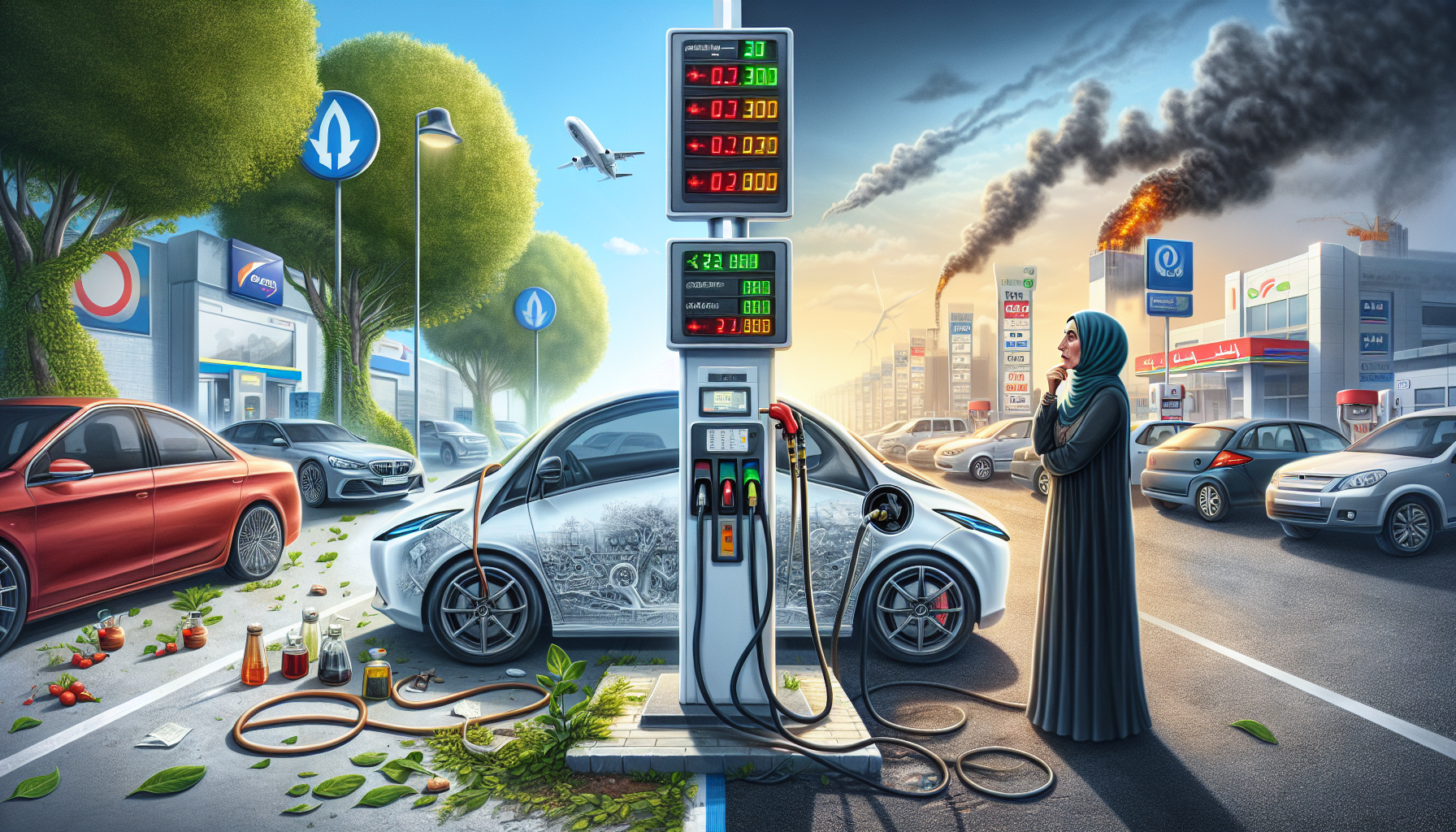
The Financial Landscape of Electric Vehicles
As the automotive industry shifts towards electrification, the debate over whether electric vehicles (EVs) truly offer cost savings compared to traditional petrol cars intensifies. Recent analyses reveal that EVs can be significantly cheaper to run, particularly when charged at home.
Fuel and Charging Costs
Operating an EV can cost 65% less per mile than a petrol vehicle. Home charging rates hover around 7p-7.5p per mile, compared to 19-21p for petrol. Over a distance of 10,000 miles, this translates to annual savings ranging from £600 to £1,500. However, relying on public rapid charging can escalate costs, potentially surpassing petrol expenses at £1,500 annually when used predominantly.
Maximizing savings involves tapping into specialized EV tariffs and ensuring that 80-90% of your charging happens at home. Under such circumstances, the cost per mile becomes remarkably lower, making EVs an attractive option for budget-conscious consumers. For further details, check out the complete cost analysis here.
Maintenance and Servicing Costs
Beyond fuel savings, EVs also shine in maintenance. With fewer moving parts, the average maintenance cost for an EV is about $0.0789 per mile, significantly lower than the $0.1087-$0.1185 per mile for petrol counterparts. Annual servicing costs average £220 for EVs compared to £350 for petrol vehicles. This can lead to lifetime savings of $6,000-$10,000 when factoring in fuel and maintenance.
In essence, EV ownership not only cuts down on fuel expenses but also alleviates the burden of frequent and costly maintenance. More insights on this can be found in the detailed report here.
Insurance and Additional Costs
While EVs are cheaper to maintain, insurance can be a sticking point. The average annual insurance cost for an EV is around £1,150, which is 35% higher than the £850 for petrol cars. Moreover, road tax (VED) adds another layer of expense, especially for EVs priced over £40,000, pushing the total annual costs between £2,600 and £4,025.
Despite these higher insurance premiums, home charging scenarios can still yield savings of up to £510 annually when compared with petrol vehicles. For a deeper dive into these costs, refer to this analysis here.
The Impact of Charging Options
Choosing between home and public charging significantly influences cost savings. Home charging on EV tariffs costs between £375-£630 yearly, making it 76% cheaper than petrol fuel, which can reach £1,590 for the same mileage. Conversely, public rapid charging can cost up to £1,875, presenting a less favorable comparison. Thus, optimal savings are contingent on a home charging setup, a crucial factor for prospective EV owners.
Long-Term Trends and Accessibility
As battery production costs have plummeted by 89% since 2008, the affordability of EVs continues to improve. This trend, coupled with government incentives and decreasing electricity rates, makes ownership increasingly viable. The availability of used EVs priced between $10,000-$15,000 further enhances accessibility for a broader audience.
In regions like the U.S. and Europe, the cost-effectiveness of EVs remains compelling, with savings consistently observed across various demographics. The future looks bright for EV enthusiasts and new buyers alike.
Leave a Reply