Dongfeng Delays Solid-State Battery Production to 2027: What It Means for the EV Landscape
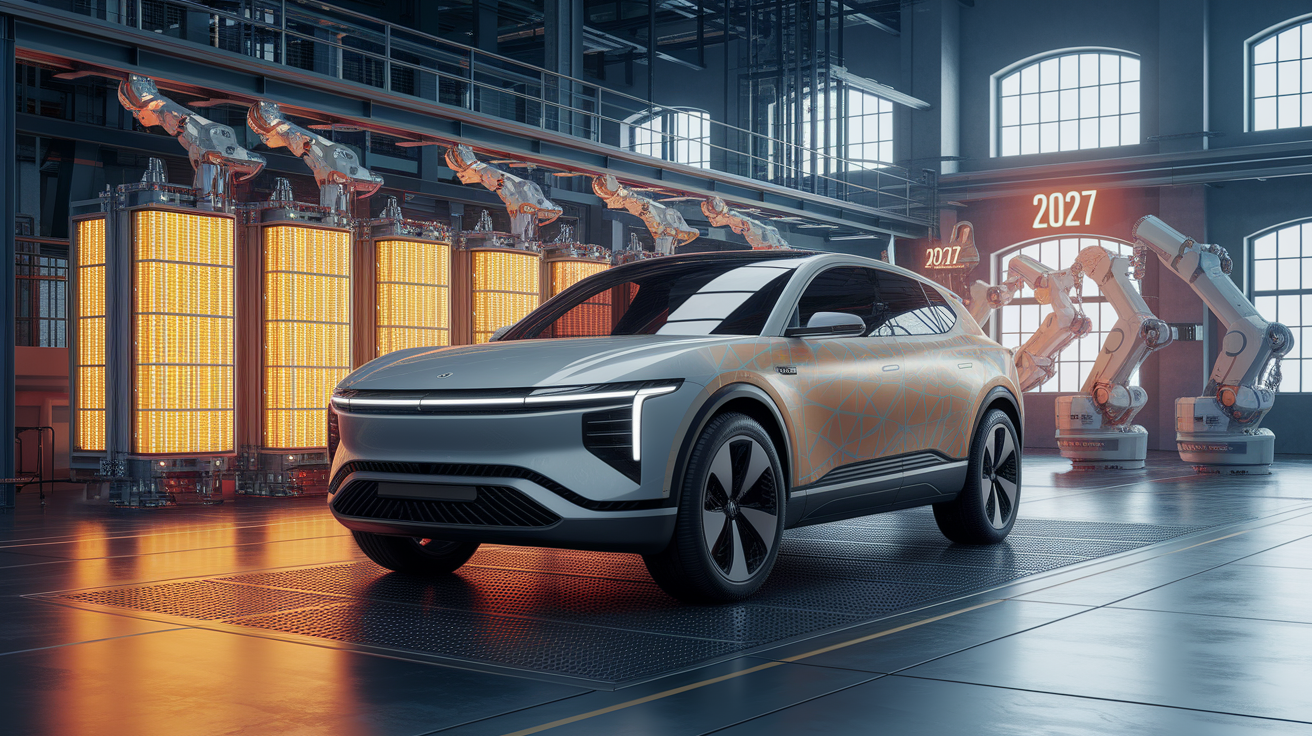
In a significant shift for the electric vehicle (EV) sector, Dongfeng has postponed the mass production of its highly anticipated solid-state batteries to 2027. Initially set to launch in September 2026, this delay raises questions about the company’s strategic direction and the competitive landscape of battery technology in China.
Unpacking Dongfeng’s Solid-State Battery Technology
Dongfeng’s solid-state battery boasts an impressive energy density of 350 Wh/kg, achieved through a sophisticated combination of high-capacity ternary cathodes, silicon-carbon anodes, and an oxide-polymer composite solid electrolyte. This cutting-edge technology allows the battery to maintain over 72% of its energy capacity even at extreme temperatures of -30°C, far surpassing traditional liquid-state batteries, which retain only about 60% under the same conditions. Additionally, the battery has successfully passed stringent thermal safety tests at 170°C, exceeding China’s national safety standards.
When integrated into Dongfeng’s vehicles, these batteries are projected to deliver impressive driving ranges exceeding 1,000 kilometers per charge. However, this figure is based on the less stringent China Light-Duty Vehicle Test Cycle (CLTC), which may not align with the more rigorous EPA standards used in the U.S.
Reasons Behind the Postponement
The decision to push back production was influenced by an inspection visit from Dongfeng Motor Corporation’s external directors, during which the R&D team highlighted ongoing discussions about technical and operational challenges. Key areas of focus include:
- Technical routes for battery production
- Cost control strategies
- Pacing for industrialization
Despite the setback, Dongfeng continues to advance its battery technology, including the development of liquid-solid-state batteries featuring innovative electrolyte membrane composites and electrode solidification techniques.
Integration with Next-Gen Electric Platforms
Dongfeng’s solid-state batteries are designed to work seamlessly with the Mach Super-kV Pure-Electric Platform, a high-voltage architecture operating at 1,200 volts. This platform features a self-developed 1,700-volt silicon-carbide power module and supports ultra-fast charging capabilities, allowing vehicles to gain 2.5 kilometers of range per second of charging. These advancements position Dongfeng on the cutting edge of electric vehicle infrastructure, enhancing both performance and user experience.
Industry Context and Competitive Landscape
The delay in Dongfeng’s solid-state battery production reflects broader trends in the EV industry. Experts predict that solid-state batteries will start appearing in Chinese electric vehicles around 2027, with full-scale production anticipated by 2030. Major competitors, including CATL and BYD, are making strides in this field, with plans for small-scale production of sulfide-based solid-state batteries also slated for 2027.
As Dongfeng recalibrates its timeline, the automotive market is witnessing a surge in investment and innovation. Companies like Changan are targeting energy densities of 400 Wh/kg with ranges of up to 1,500 kilometers. The anticipated shift to solid-state technology underscores a pivotal moment for EVs globally, as manufacturers race to enhance performance and sustainability.
A Road Ahead for Dongfeng
Looking beyond the immediate delay, Dongfeng is not standing still. The company is actively pursuing next-generation battery technologies aimed at achieving higher energy densities and faster charging capabilities. This includes pre-research into sulfide-based solid-state systems targeting 500 Wh/kg. However, those advancements are expected to materialize only after 2027, as Dongfeng prioritizes bringing its current technology to market reliably.
As the EV market continues to evolve, Dongfeng’s strategic decisions will play a crucial role in shaping its future and the broader landscape of electric mobility.
Leave a Reply