Engine Diversity in Horsepower Achievements
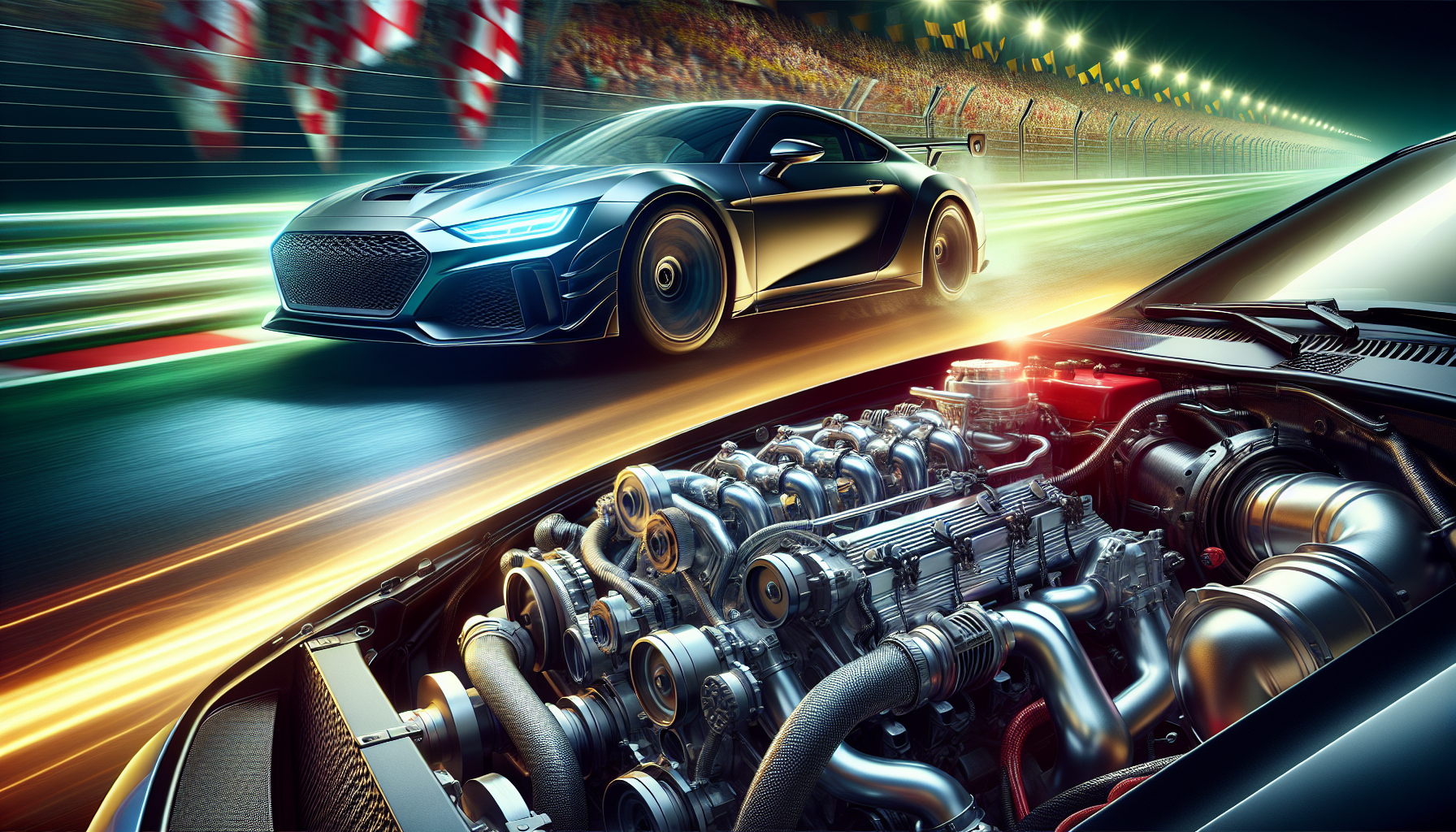
When it comes to automotive performance, horsepower is often viewed as the ultimate metric. Interestingly, many vehicles have achieved similar horsepower figures using drastically different engine configurations. For instance, take the 1985 Saab 900 Turbo and the 1930 Cadillac V16 Roadster 452, both clocking in at approximately 160 hp. The Saab’s turbocharged four-cylinder engine stands in stark contrast to the Cadillac’s massive V16, illustrating that efficiency and innovation can occasionally outpace the sheer size of an engine. For more examples of this phenomenon, see different engines with similar horsepower.
The trend continues with modern examples, where smaller engines are pushing out impressive figures. The 2026 Toyota GR Yaris and GR Corolla, both utilize a turbocharged three-cylinder engine to deliver a robust 300 hp. This starkly contrasts with the legendary 1994 Dodge Ram, which achieved the same power using a hefty V10 engine. Such comparisons highlight the evolution of engine technology over decades, emphasizing how manufacturers are now optimizing power density rather than merely increasing engine size.
Notable Comparisons Across Eras
Historically, the automotive industry has seen an arms race in engine design, typified by the “multi-cylinder wars” of the early 20th century. The Cadillac V-16 was a showpiece of its time, designed to showcase power and prestige. However, it produced only 161 hp, a figure that modern engines, like the 1987 Mazda RX-7 Turbo II, can surpass with their innovative rotary designs. The RX-7 Turbo II managed an impressive 182 hp from a compact rotary engine, showcasing that effective engineering can yield superior results without the need for a traditional multi-cylinder setup.
Fast forward to today, and the trend continues with vehicles like the 2026 Honda Civic Si, which leverages turbocharging to achieve 200 hp from a four-cylinder engine. This shift towards smaller, more efficient engines aligns with tightening emissions regulations, forcing manufacturers to rethink their strategies. As noted by the EPA, such regulatory pressures are reshaping the landscape of high-performance vehicles.
The Future of Engine Technology
As the automotive industry adapts to new environmental standards, the focus is increasingly on maximizing output while minimizing emissions. The 2026 GR models from Toyota exemplify this shift, achieving significant horsepower from smaller engines without sacrificing performance. However, challenges remain; high-output small engines face durability risks under sustained use, reminiscent of early turbocharged engines from the 1980s.
Looking ahead, the evolution of engine technology is likely to see even more diverse configurations that challenge traditional notions of horsepower. Innovations such as hybrid systems and advanced turbocharging will continue to play a critical role in how manufacturers design vehicles. As the industry evolves, one thing is clear: it’s no longer just about how many cylinders you have, but how effectively you can harness the power within.
Leave a Reply