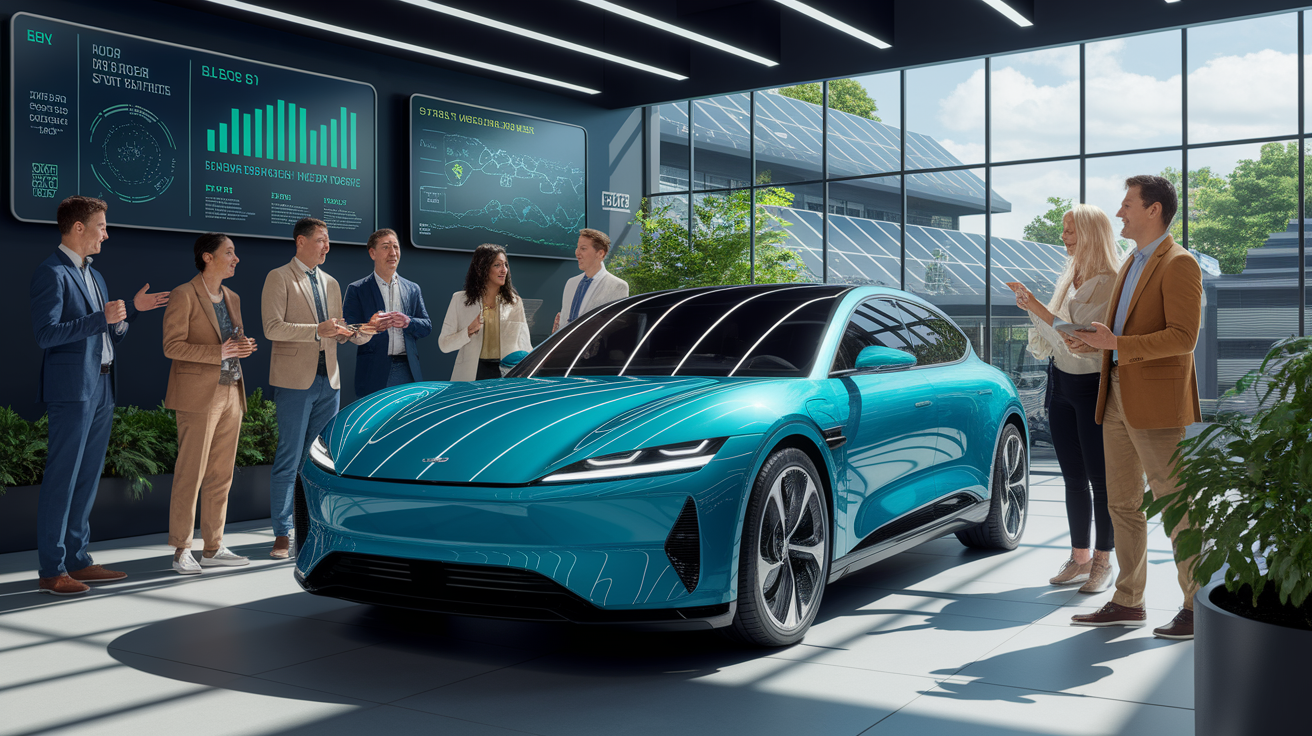
Delhi’s New EV Policy: a Game Changer for Electric Mobility
Delhi has unveiled a groundbreaking electric vehicle (EV) policy aimed at accelerating the adoption of electric mobility through a robust framework of subsidies and incentives. With this initiative, the city is set to enhance its commitment to sustainability and reduce its carbon footprint.
Subsidies and Incentives Overview
The new policy introduces several key measures designed to make electric vehicles more accessible to consumers. Notable components include:
- Direct Purchase Rebates: Upfront rebates that lower the initial cost of EVs for consumers.
- Tax Credits: Financial incentives that reduce the tax burden for EV purchases.
- Charging Infrastructure Support: Investments to expand public and private charging networks, alleviating range anxiety.
- Manufacturing Incentives: Support for local manufacturers to stimulate job creation and domestic production.
These measures aim to ensure that the transition to electric mobility is not only feasible but also economically viable for a broader audience.
Why This Policy Matters
According to analysis from the International Energy Agency, effective EV policies can significantly reduce greenhouse gas emissions and enhance energy security. Delhi’s initiative is particularly timely, addressing both environmental challenges and public health concerns linked to air pollution.
The policy is expected to yield immediate impacts, including:
- Increased EV Sales: By making EVs more affordable, the policy aims to boost adoption rates.
- Enhanced Charging Networks: A focus on infrastructure will facilitate smoother transitions to electric mobility.
- Job Creation: Local manufacturing incentives are poised to generate high-value employment opportunities in the EV sector.
Implementation Challenges and Considerations
While the policy is promising, challenges remain. Administrative complexities, such as eligibility verification and coordination between various government agencies, could hinder the rollout. Additionally, the need for complementary policies—such as robust grid planning and effective recycling programs—will be crucial for maximizing the benefits of this initiative.
As highlighted by Transport & Environment, ensuring that charging infrastructure keeps pace with EV adoption is vital to preventing potential bottlenecks in the transition to electric mobility.
Delhi’s new EV policy represents a significant step toward a greener future, paving the way for reduced emissions and enhanced urban air quality. As the city embarks on this electrifying journey, stakeholders must remain vigilant in addressing implementation hurdles to fully realize the potential benefits of this ambitious initiative.
Leave a Reply