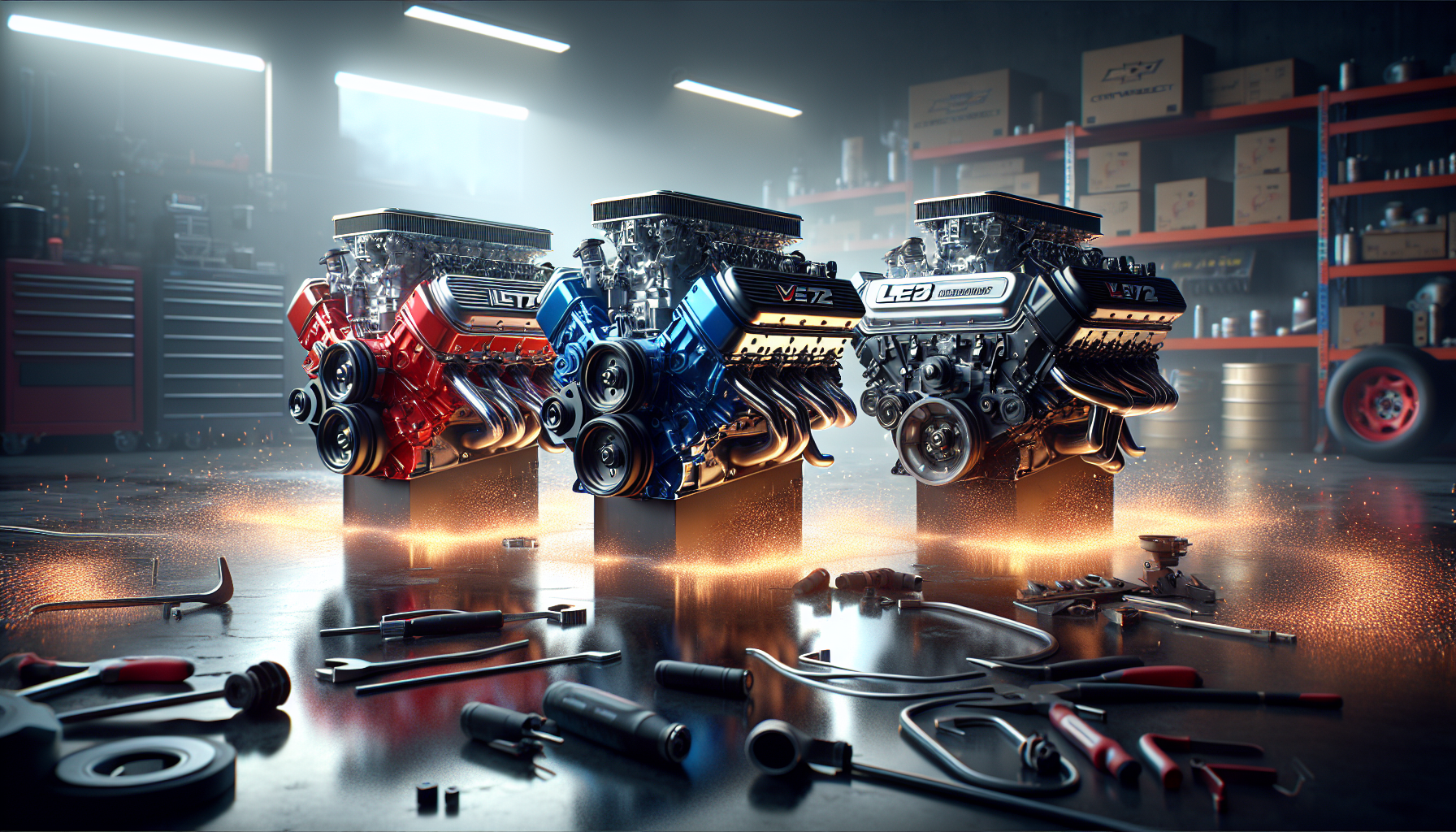
Introduction to the LT1 Family
The Chevy LT1 V8 lineage showcases a fascinating journey through automotive engineering, with each iteration reflecting the technological advancements of its time. From its debut in 1970 to its current incarnation, the LT1 has undergone significant transformations while maintaining a strong connection to its roots.
Today, the LT1 nameplate is synonymous with performance, offering a robust 455 horsepower in modern applications like the Camaro SS and Corvette. The evolution of this engine series speaks volumes about General Motors’ commitment to pushing the boundaries of small-block performance.
The Classic LT-1 (1970)
The original LT-1, a 350-cubic-inch V8 introduced in 1970, is revered as the “Holy Grail” of small-block engines. It delivered an impressive 370 horsepower in the Corvette and 360 horsepower in the Camaro Z28, thanks to its high-compression design and solid-lifter camshaft.
This engine was groundbreaking for its time, featuring an 11.0:1 compression ratio and a high-rise aluminum intake. However, by 1971, GM’s response to emissions regulations led to a significant drop in power, marking the end of an era for high-performance small blocks.
The Gen II LT1 (1992-1997)
Fast forward to the 1990s, when Chevrolet revived the LT1 name for the C4 Corvette. The Gen II LT1 shifted focus from raw power to technological innovation, introducing features like a reverse-flow cooling system that improved thermal efficiency.
While it produced a respectable 300 horsepower, the Gen II LT1 faced challenges, notably the notorious “Optispark” ignition system, which was prone to moisture-related failures. Despite these hiccups, this engine played a crucial role in revitalizing the American V8 landscape.
The Modern LT1 (2014-Present)
Reintroduced in 2014, the contemporary LT1 showcases the pinnacle of small-block engineering. With direct injection technology and a compression ratio of 11.5:1, it achieves remarkable efficiency, allowing for nearly 29 miles per gallon on the highway.
Generating 460 horsepower and 465 lb-ft of torque, the modern LT1 combines performance with reliability, making it a favorite among enthusiasts and daily drivers alike. Its lightweight and compact design continues to set the standard for naturally aspirated V8s.
Parts Sourcing Risks and Maintenance Challenges
The recycling of the LT1 name across generations has created confusion at parts counters, complicating maintenance for owners of various models. For instance, the 1990s Optispark ignition system’s vulnerability to moisture highlights the importance of precise engine code verification.
As enthusiasts restore or maintain high-mileage Camaros and Corvettes, understanding the differences between the generations becomes crucial. This situation emphasizes the need for careful parts sourcing to avoid incompatibility issues.
Industry Impact and Future Prospects
The LT1’s evolution reflects GM’s adaptability in the competitive automotive landscape. While turbocharged engines gain popularity, the LT1 maintains its appeal by delivering exceptional performance without sacrificing efficiency.
As the automotive industry continues to evolve, the LT1’s legacy remains strong, influencing future generations of V8 engines. With ongoing discussions about potential updates for the Corvette lineup, the LT1’s role in GM’s performance narrative is far from over.
Leave a Reply