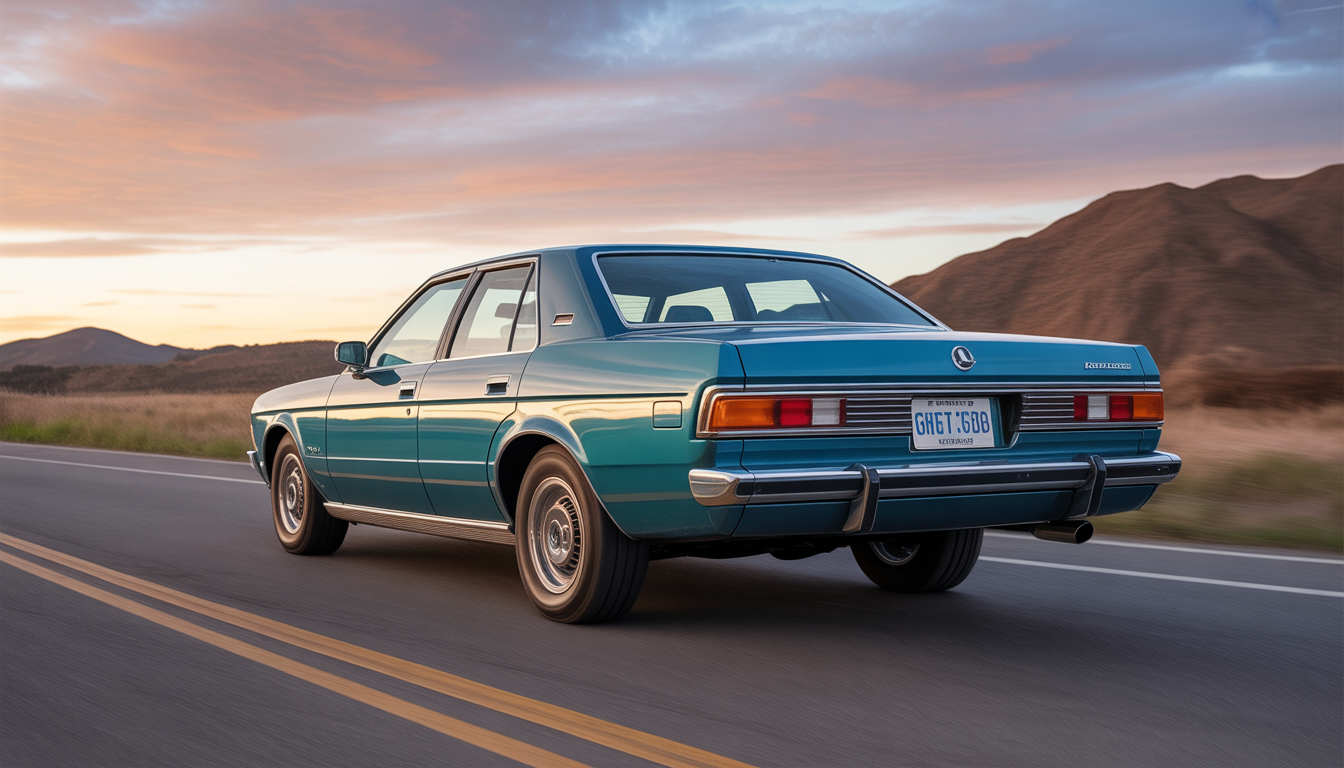
In the competitive automotive landscape, some cars emerge with high expectations only to falter as they reach the showroom floor. The phenomenon of vehicles that never lived up to their potential is a poignant topic among enthusiasts and industry insiders alike. Understanding these disappointments requires a closer examination of the factors that lead to their underachievement.
Defining Missed Potential
Evaluating a car’s potential involves a multifaceted approach. Key dimensions include:
- Market Expectations: Projected sales and target demographics play a crucial role.
- Product Execution: Reliability, build quality, and performance against claimed specs are vital.
- Value Proposition: Features, packaging, and cost-of-ownership impact consumer appeal.
- Brand & Timing: A vehicle’s reputation and market timing can significantly sway its success.
- Opportunity Cost: How a model affects a brand’s overall lineup is often overlooked.
These criteria help differentiate between subjective disappointment and objective failure, providing a more structured analysis of automotive flops.
Common Pitfalls in Automotive Development
Several root causes frequently contribute to promising vehicles that ultimately disappoint:
- Engineering Compromises: Cost-cutting can lead to durability and performance issues.
- Rushed Development: Hasty designs often result in poor packaging and execution.
- Misaligned Pricing: A vehicle may be priced too high for its perceived value.
- Poor Quality Control: Reliability issues can tarnish a brand’s reputation and resale value.
- Market Shifts: Changes in regulations or consumer preferences can render initial plans obsolete.
Understanding these pitfalls can offer insight into why certain models fail to resonate with consumers.
Notable Automotive Disappointments
Several cars are often cited as examples of unfulfilled promise:
- Pontiac Aztek: Despite innovative features, its polarizing design harmed sales.
- Jaguar X-Type: Built on a Ford Mondeo platform, it diluted Jaguar’s brand prestige.
- Chevrolet SSR: This retro-styled convertible struggled with high prices and niche appeal.
- Volkswagen ID. Buzz: Praised for its nostalgic design, it suffers from lackluster interior quality and limited range.
According to Car and Driver, these vehicles exemplify the gap between potential and execution, highlighting how design misalignments and market misunderstandings can lead to disappointing outcomes.
The Bigger Picture: Implications for the Industry
The repercussions of a car failing to meet its potential extend beyond the individual model. They can tarnish brand reputations, disrupt dealer networks, and influence consumer trust. A poorly received vehicle can lead to wasted R&D investments and hinder future innovation efforts. This cycle not only affects manufacturers but also shapes broader industry trends.
Understanding why certain cars never realized their potential is crucial for both consumers and manufacturers alike. It underscores the importance of thorough market analysis and execution in the automotive development process.
Leave a Reply