Decoding Autocharge and Plug & Charge: the Future of EV Charging
Understanding Autocharge and Plug & Charge
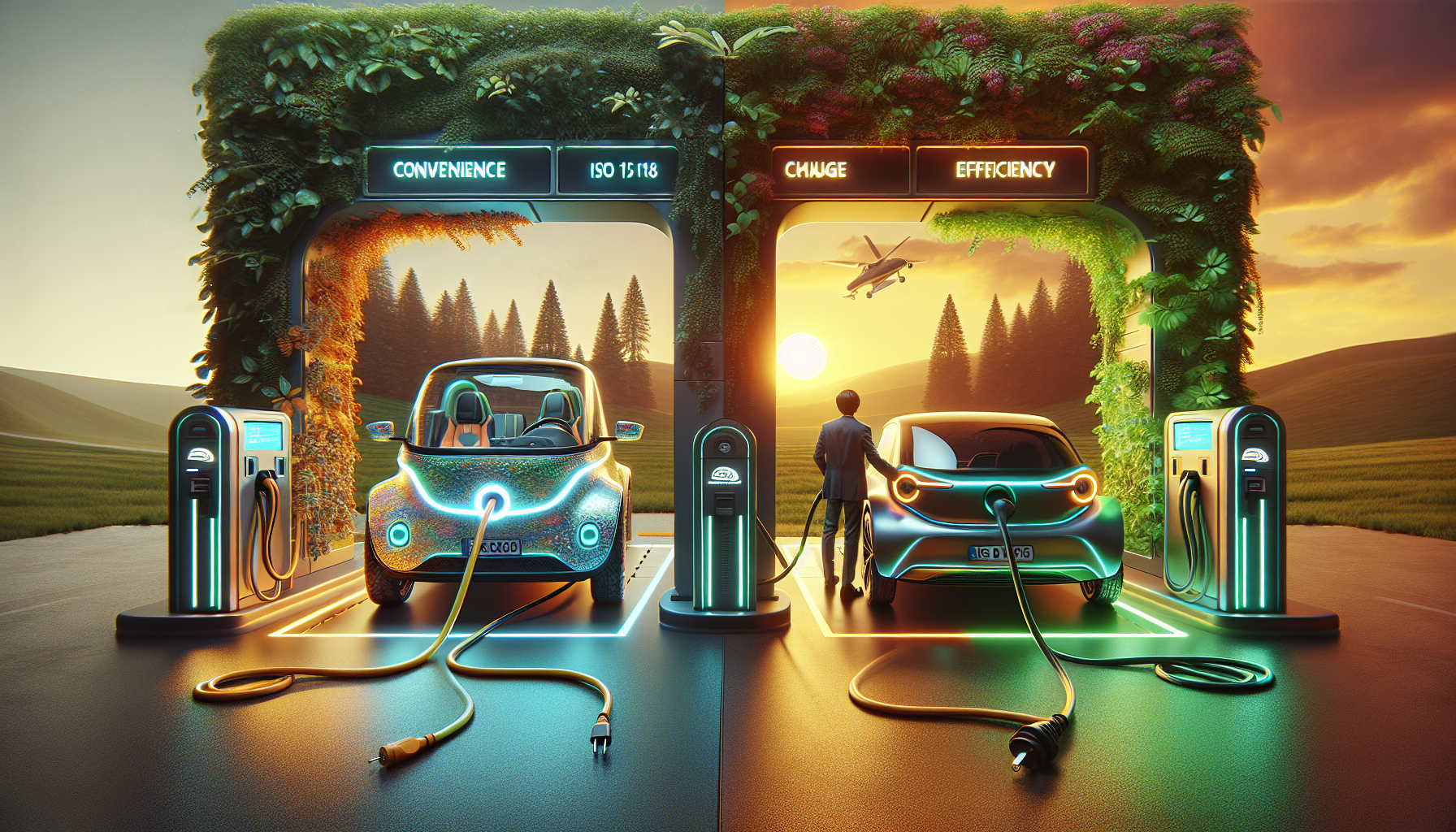
The EV charging landscape is evolving rapidly, with two prominent technologies vying for dominance: Autocharge and Plug & Charge. Autocharge simplifies the charging experience by utilizing the vehicle’s MAC address or VIN to initiate sessions automatically through cloud-based systems. This method is compatible with both CCS and NACS connectors, allowing a broad array of vehicles to plug in and charge without the need for additional apps or cards.
In contrast, Plug & Charge, rooted in the ISO 15118 standard, takes security and convenience to new heights. By employing cryptographic digital certificates and advanced encryption techniques, it ensures secure communication between vehicles and chargers. However, for Plug & Charge to function seamlessly, both the EV and the charger must be fully compliant with ISO 15118, a requirement that is becoming increasingly common.
Comparing Compatibility and Adoption Rates
Currently, Autocharge enjoys a more extensive reach, leveraging existing OCPP infrastructure, which makes it compatible with over 100,000 charging points globally, including networks like Electrify America and Ionity. Meanwhile, Plug & Charge is on the rise, particularly in Europe, where regulations mandate its integration into all public chargers by 2024-2025 and into private chargers by 2026. As of mid-2024, around 15% of European public DC fast chargers support Plug & Charge, with projections indicating that this figure could reach 50% by 2026.
- Autocharge: Over 100,000 charging points globally.
- Plug & Charge: 15% adoption in Europe expected to rise to 50% by 2026.
- Implementation Cost: Autocharge is about 30% cheaper to implement than Plug & Charge.
Addressing Misconceptions and Future Trends
Despite their similarities, many misconceptions persist about Autocharge and Plug & Charge. One common myth is that they are interchangeable; however, Autocharge lacks the cryptographic security features that protect against unauthorized access, making it less secure than Plug & Charge. As the EV market matures, the demand for robust security protocols will likely push more users towards adopting ISO 15118 compliant systems, especially as regulations tighten.
Emerging trends further highlight this shift. The recent ISO 15118-20 update introduces bidirectional charging capabilities, which are exclusive to Plug & Charge systems. This advancement paves the way for innovative applications like vehicle-to-grid (V2G) technology, allowing EVs to serve as energy sources for homes and the grid.
Recommendations for Fleets and Infrastructure
For fleet operators, the choice between Autocharge and Plug & Charge depends on specific needs and existing infrastructure. Autocharge is ideal for high-volume depots, where speed and cost-effectiveness are paramount. In contrast, Plug & Charge is better suited for public networks that require higher security and interoperability across various charging stations.
Experts recommend a hybrid approach: utilize Autocharge for legacy fleets while transitioning towards Plug & Charge as infrastructure evolves. This strategy allows fleets to maximize current capabilities while preparing for future advancements in EV technology.
Leave a Reply