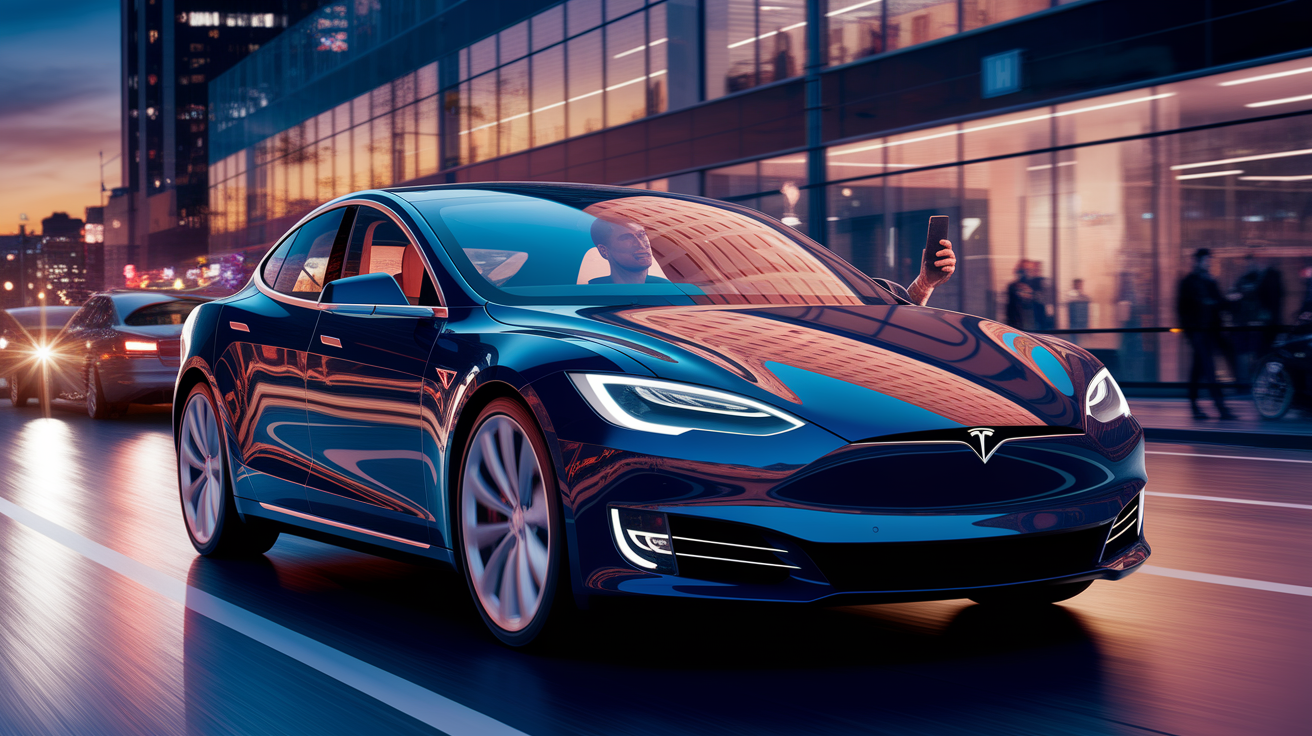
Elon Musk Tells Tesla Owners to Text and Drive, What’s That Worst That Could Happen
The Tweet That Lit Up the Dash
Elon Musk has once again ignited controversy — this time by suggesting that Tesla owners could text while driving when using the latest version of the automaker’s Full Self-Driving (FSD) software. According to OpenTools.ai, Musk replied on X (formerly Twitter) to a Tesla driver asking if texting was permissible with FSD v14, saying, “Depending on context of surrounding traffic, yes.”
It’s a statement that collides head-on with U.S. law, which prohibits texting while driving in all but one state — Montana — and even there, many counties maintain local bans.
FSD v14: Smarter, But Still Level 2
The latest iteration of Tesla’s driver-assistance suite, FSD Version 14, rolled out earlier this month with notable upgrades:
- Improved response to emergency vehicles
- Automatic offsetting for road debris
- Recognition of human gestures from pedestrians and traffic officers
Musk has called v14 the most significant update since v12, claiming it makes Teslas feel more “sentient” on the road. However, the system remains firmly a Level 2 driver-assistance technology — meaning drivers must keep their eyes on the road and hands ready to take control at any moment. It is not legal or safe to disengage from the driving task entirely.
Why Musk’s Statement Raises Red Flags
The suggestion that texting might be acceptable under certain traffic conditions is seen by safety advocates as dangerously misleading. As the National Highway Traffic Safety Administration (NHTSA) notes, distracted driving is a leading cause of road fatalities, and no consumer-available system can guarantee safety without driver attention.
Critics argue Musk’s public endorsement could embolden risky behavior, potentially leading to more accidents and legal liabilities for drivers and Tesla alike.
Legal Reality Check
The law is unequivocal: texting while driving is illegal almost everywhere in the U.S. Tesla’s FSD does not alter that reality. Even in Montana, local jurisdictions often enforce their own bans. Any driver caught texting — regardless of automation level — could face fines, penalties, or worse if a crash occurs.
In short, FSD’s capabilities do not confer immunity from distracted driving laws.
Safety Record and Financial Fallout
Tesla’s driver-assistance features have been linked to multiple fatal crashes. One high-profile case in Florida involved a Model S on Autopilot striking a parked Chevy Tahoe, killing a woman and injuring her boyfriend. A jury awarded $242.6 million in damages — a costly reminder that driver-assistance does not absolve responsibility.
Encouraging texting while driving could compound these risks, both in human and financial terms.
Industry and Regulatory Backdrop
No automaker has yet achieved Level 5 autonomy — full driverless capability — for unrestricted public road use. The NHTSA and other agencies are still investigating incidents tied to driver-assistance systems and crafting guidelines to ensure safety.
The industry is split between aggressive rollouts of semi-autonomous features and a cautious approach emphasizing safety and compliance. Tesla’s marketing often pushes boundaries, and Musk’s latest statement is likely to intensify regulatory scrutiny.
Public Reaction: Mixed, But Loud
Media outlets from The Verge to CNET have criticized Musk’s remarks as irresponsible. Safety groups warn that normalizing texting while driving — even with advanced technology — undermines public safety campaigns and could reverse progress in reducing distracted driving fatalities.
For Tesla enthusiasts, the debate underscores a bigger tension: the thrill of cutting-edge autonomy versus the sobering reality of legal and safety responsibilities.
Ultimately, until the law changes and technology proves flawless, the steering wheel — and the driver’s attention — remain the ultimate safeguards. Musk’s comment may have been intended to provoke, but on America’s roads, the stakes are far higher than likes and retweets.
Leave a Reply