The Incident That Shook Reddit
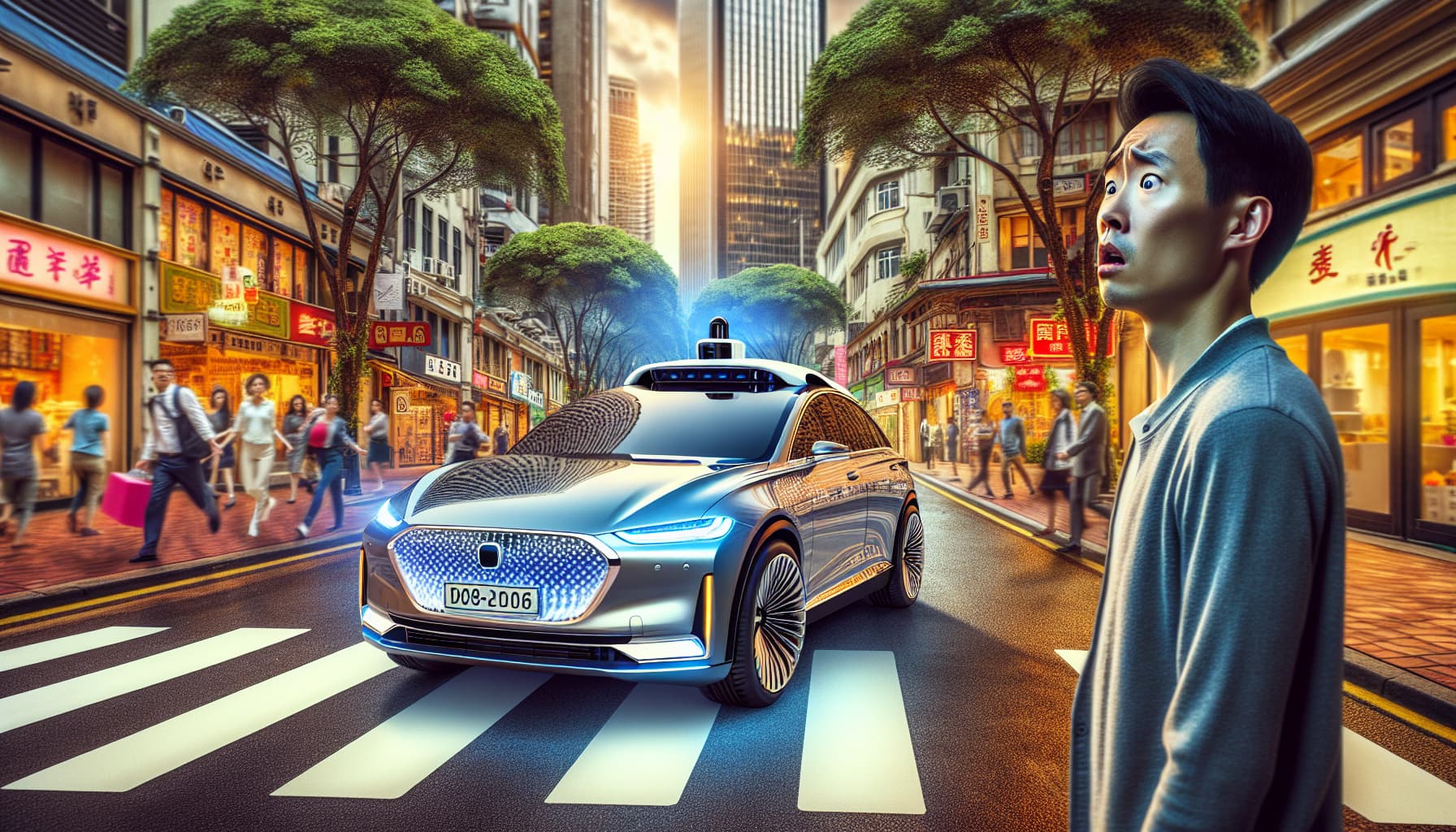
A recent viral video on Reddit has highlighted the capabilities of Tesla’s Full Self-Driving (FSD) technology in a dramatic fashion. In the clip, a Tesla equipped with FSD anticipates a pedestrian’s intent to cross a neighborhood street, promptly slowing down. Meanwhile, a nearby BMW driver remains oblivious, continuing forward until the pedestrian is forced to jump back to safety. This incident starkly contrasts the proactive nature of FSD with the often distracted human driver.
The Tesla’s ability to detect subtle cues—such as the pedestrian’s body language and trajectory—illustrates a significant advancement in autonomous driving technology. The FSD system, built on an end-to-end neural network trained on billions of miles of real-world data, showcases its potential to outperform human judgment in critical situations.
Understanding Full Self-Driving Technology
Tesla’s FSD has undergone substantial evolution over the last year, focusing on improving pedestrian intent detection. Elon Musk has indicated that the current version, FSD v14, aims to be two to three times safer than human drivers, with future iterations like v15 potentially achieving up to a tenfold improvement. This is particularly critical in scenarios involving pedestrians, where the stakes are highest.
The FSD system’s architecture allows it to process vast amounts of real-time data, making split-second decisions that can save lives. As the technology progresses, it aims to minimize the gap in reaction times between humans and machines, especially at speeds where every second counts.
The Broader Implications for Safety
The implications of this incident extend beyond just the capabilities of Tesla’s FSD. The National Highway Traffic Safety Administration (NHTSA) recently opened an investigation into FSD’s performance related to visibility conditions, affecting over 3.2 million vehicles. This scrutiny follows incidents where FSD failed to detect critical hazards, emphasizing that while the technology shows promise, it still has limitations that must be addressed.
As Tesla continues to refine its FSD technology, the balance between innovation and safety remains a focal point. The incident involving the BMW driver serves as a reminder that while FSD can enhance safety through advanced predictive capabilities, human oversight is still essential. The technology is classified as Level 2, requiring constant driver supervision, which underscores the importance of cautious implementation.
Looking Ahead: The Future of Autonomous Driving
The recent near miss not only showcases Tesla’s advancements but also raises questions about the future landscape of autonomous driving. As FSD aims to increase its predictive capabilities, the automotive industry is watching closely. The potential for FSD to significantly reduce pedestrian fatalities is immense, especially in urban environments where human error can have severe consequences.
With ongoing development, Tesla’s FSD could redefine safety standards in the automotive industry. However, it also highlights the necessity for regulatory bodies to keep pace with technological advancements to ensure public safety remains paramount.
Leave a Reply