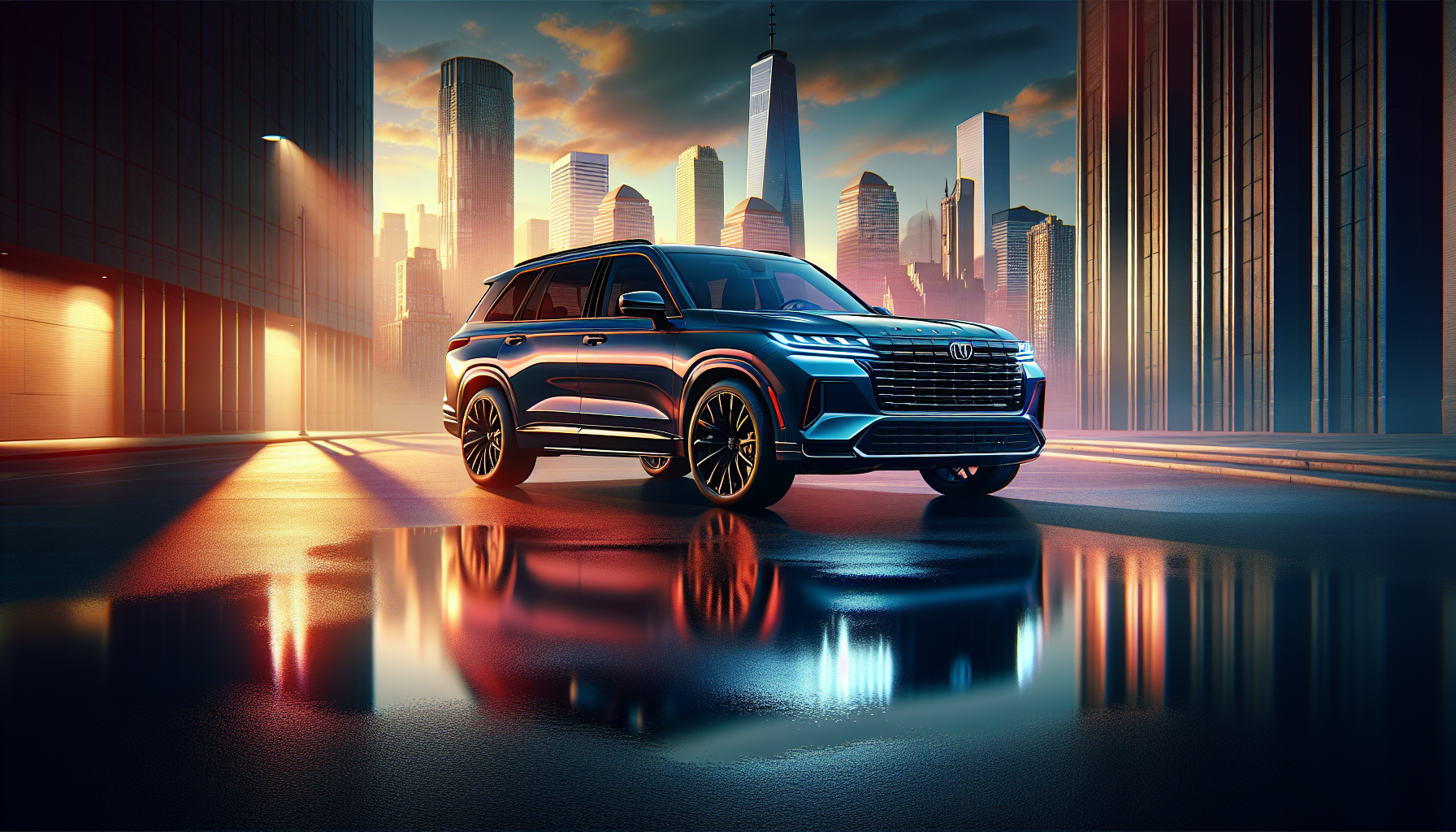
Unveiling the K1: Porsche’s Ambitious Three-Row SUV
Porsche is gearing up to launch its much-anticipated K1, a three-row SUV that promises to redefine luxury and performance in the SUV segment. Initially envisioned as an electric vehicle, the K1 has pivoted towards internal combustion engines, a strategic decision influenced by market trends and sales performance. According to Road and Track, this flagship model will share its underpinnings with the upcoming Audi Q9, utilizing the Volkswagen Group’s Premium Platform Combustion (PPC) architecture.
The K1 will be larger than the Cayenne, measuring over 5 meters (196.9 inches) in length and accommodating up to seven passengers. It will offer a range of engine options, including a 3.0-liter twin-turbo V6 generating over 350 hp and a robust 4.0-liter twin-turbo V8 capable of producing up to 730 hp.
Performance and Features: Redefining Luxury
Equipped with advanced engineering, the K1 will not only cater to the luxury market but also ensure impressive performance metrics. The shared PPC platform enables the integration of plug-in hybrids, allowing for powertrains that feature substantial battery capabilities. This hybrid option is expected to appeal to approximately 40% of luxury buyers who prefer electrified internal combustion engines, as indicated by recent surveys.
The K1 will also include innovative features such as adjustable air suspension, enhancing its off-road capabilities while maintaining Porsche’s performance pedigree. This multi-mode suspension system allows for high ground clearance, making it suitable for various terrains, unlike typical luxury SUVs focused solely on road performance.
- Engine Options: 3.0L V6 and 4.0L V8
- Power Output: 350 to 730 hp
- Dimensions: Over 5 meters long
- Seating Capacity: Up to seven passengers
- Launch Timeline: Audi Q9 in 2027, Porsche K1 in 2028
Market Implications: Competing in a Crowded Segment
The timing of the K1’s release is crucial as it enters a competitive field dominated by models like the BMW X7 and the Mercedes-Benz GLS-Class. Both competitors have seen impressive sales figures, with the BMW X7 recording over 12,000 units sold in 2024, and the GLS exceeding 18,000 units. The K1 aims to capture a share of the luxury SUV market, particularly in the U.S., China, and Middle East regions, where large SUVs remain highly sought after.
Porsche’s strategic shift back to internal combustion engines reflects broader trends in the industry, as luxury brands recalibrate their electric vehicle strategies amidst slowing EV adoption rates. With an MSRP expected to exceed $150,000, the K1 will compete directly in the $80,000 to $200,000 luxury segment, a market where large models hold a significant 25% share.
The Road Ahead: A Dual Powertrain Future
While the K1 will debut as a combustion engine vehicle, Porsche has confirmed plans for a fully electric version in the future. This aligns with the brand’s dual-powertrain strategy, as seen with the Cayenne and Macan. The K1’s eventual electric variant will be built on the Scalable Systems Platform (SSP), showcasing Porsche’s commitment to electrification while also catering to the current demand for powerful internal combustion options.
As the automotive landscape continues to evolve, the K1 stands poised to bolster Porsche’s presence in the SUV market, promising both luxury and performance that meets the needs of modern consumers.
Leave a Reply