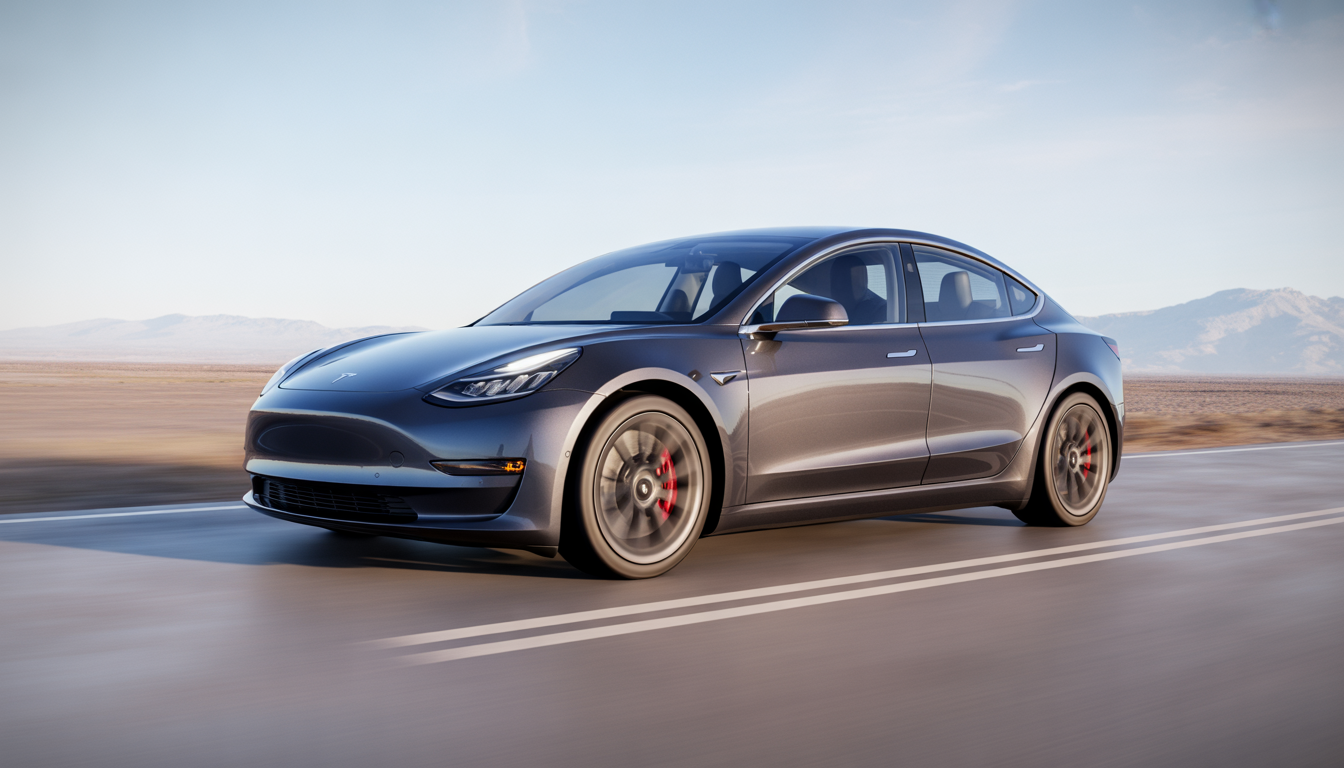
Endurance on Wheels: Tesla Model 3 Hits 240,000 Miles Without Major Breakdowns
The Tesla Model 3 proves its mettle as an electric vehicle (EV) powerhouse, with one remarkable unit clocking in nearly 240,000 miles without significant failures. This high-mileage Long Range variant not only showcases Tesla’s engineering prowess but also highlights the economic advantages of EVs, especially in fleet operations.
A Testament to Durability
Initially launched in 2017, the Model 3 has gained traction, particularly among urban taxi drivers. A recent example from the UK, which served as a taxi, has accumulated an impressive 238,000 miles in just four years. Remarkably, it retains its original high-voltage battery, rear electric motor, brakes, and even its bodywork and windows. This endurance underscores the Model 3’s capacity for high-intensity use, maintaining an 85.5% battery health, allowing it to achieve 85.5% of its original range.
Battery Longevity and Minimal Degradation
According to data on Tesla battery performance, the Model 3’s advanced battery management systems help prevent overcharging and overheating, resulting in minimal degradation even after extensive use. This particular vehicle consumed 92.6 MWh of energy, yet it demonstrates remarkable efficiency, consistently retaining 80-90% capacity after high mileage. Such resilience allows some Model 3s to exceed 300,000 miles with only minor losses in battery capacity.
Low Maintenance Costs
Operating a high-mileage Model 3 also translates to lower maintenance costs compared to traditional gasoline vehicles. For this specific unit, total costs reached around $7,566 (£5,603) over its lifespan, which is primarily attributed to routine consumables:
- Seventh set of tires
- Wiper blades
- Cabin filters
- Suspension bushes
- Motor mounts
Despite these expenses, the car has not experienced any major breakdowns, aside from a minor issue with a pedestrian warning sound speaker at 232,000 miles. This is a stark contrast to the higher repair frequencies often seen in traditional combustion engine vehicles.
Reliability and Evolution of the Model 3
While early versions of the Model 3 faced assembly challenges, models produced post-2021 have shown significant improvements. The Consumer Reports notes that the latest iterations reflect enhanced build quality and dependability. This shift is evident in the remarkable condition of the ex-taxi vehicle, which highlights Tesla’s commitment to durability and reliability.
Cost Efficiency in EV Ownership
With accumulated savings in fuel costs, this Model 3 has proven to be a cost-effective choice for fleet operators. The efficient energy consumption of approximately 4 miles per kWh translates to significant savings over time, making it an attractive alternative to gas-powered taxis. The total energy use of 92.6 MWh further emphasizes the economic advantage of EV ownership.
As the automotive industry shifts towards electrification, the performance and durability of vehicles like the Tesla Model 3 will continue to influence consumer preferences, especially among fleet operators. The combination of low maintenance costs, high efficiency, and impressive longevity solidifies the Model 3’s role as a leader in the EV market.
Leave a Reply