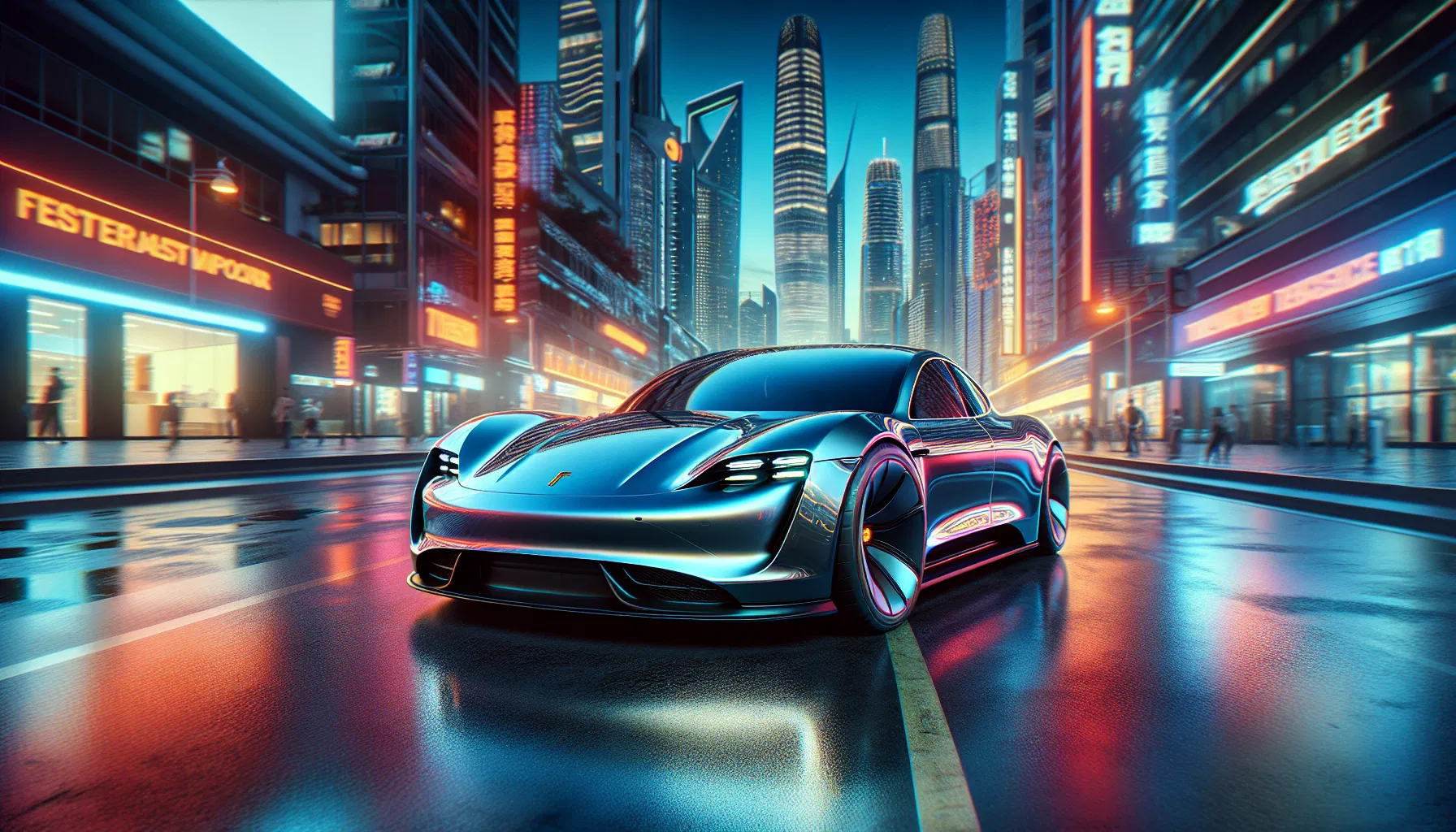
Saic Z7 Unveils Taycan-Inspired Design: a Game Changer in Affordable Evs
Design Inspiration and Features
The new Saic Z7, a product of the Huawei-backed Shangjie brand, is making waves with its striking design reminiscent of the Porsche Taycan. Debuting through a series of eye-catching videos, the Z7 showcases its stunning silhouette and advanced features, including independent left-right headlights adorned with intricate dot-matrix lighting. This design approach sets it apart from its Porsche counterpart while maintaining an appealing aesthetic that targets younger consumers.
Measuring approximately 5000 mm in length, the Z7 boasts a fluid side profile complemented by frameless mirrors, innovative semi-hidden door handles, and a roof-mounted LiDAR system. These elements not only enhance its visual appeal but also integrate advanced technology that promises improved performance and driving experience. The vehicle’s rear end features the distinctive “Star River” taillights, a hallmark of the HarmonyOS Smart Travel family.
Performance and Technology
Positioned to compete in the 200,000-300,000 CNY ($28,700-$43,000) price bracket, the Z7 is projected to offer significant value in the burgeoning electric vehicle market. It will incorporate Huawei’s Tuling Platform and Qiankun ADS 4, enabling advanced driver assistance systems that cater to tech-savvy urban drivers. Anticipated specifications suggest a strong focus on efficiency and range, with expectations of a battery offering over 500 km of CLTC range, akin to the Saic H5 SUV.
With a launch set for Q1 2026, the Z7 also promises over-the-air updates, ensuring that software and functionalities evolve post-purchase. This feature aligns with a broader trend within the industry, where manufacturers are leveraging technology to enhance vehicle longevity and user experience.
Market Context and Implications
The introduction of the Saic Z7 marks a significant step in the competitive landscape of affordable electric vehicles. As noted by industry analysts, the vehicle aims to take on not only the Porsche Taycan but also rivals like the Xiaomi SU7, which are vying for the same youthful demographic. The Z7’s pricing strategy positions it as an attractive alternative, offering premium aesthetics and performance at a fraction of the cost.
According to Gasgoo, the Z7 is part of a growing trend where Chinese manufacturers are prioritizing sporty sedans over SUVs, capitalizing on the 45% market share of new energy vehicles (NEVs) achieved in 2025. With the HIMA ecosystem gaining traction, the Z7 is poised to solidify SAIC’s position within the EV sector, potentially increasing its market share significantly.
As consumers continue to seek out stylish yet affordable electric options, the Saic Z7’s debut may signal a shift in buyer preferences toward performance-oriented vehicles that do not compromise on technology or design.
Leave a Reply