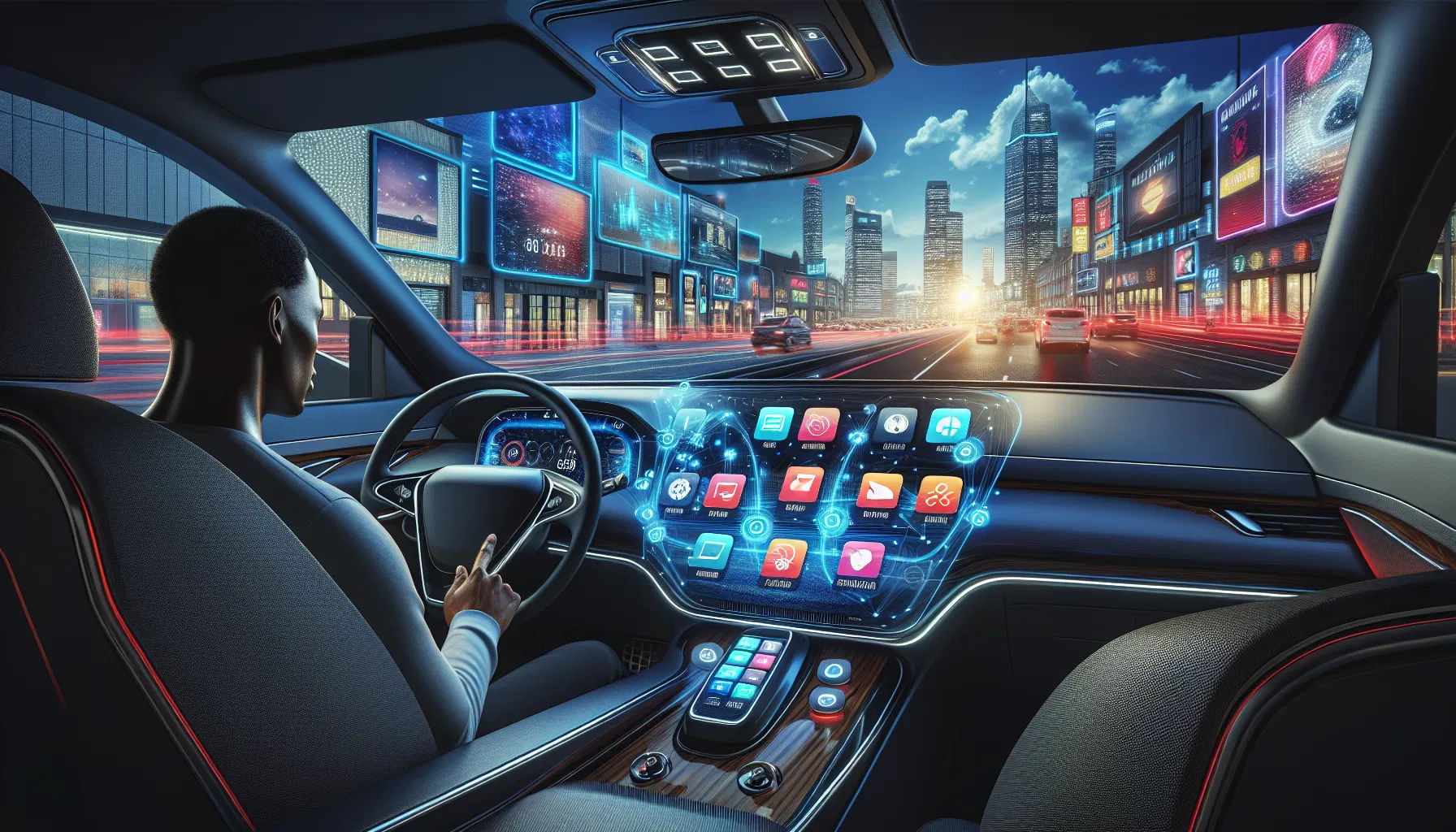
The Shift to Over-the-Air Updates
As the automotive industry accelerates into the digital age, the embrace of over-the-air (OTA) updates is reshaping how drivers interact with their vehicles. Gone are the days when a car’s functionality was solely determined at the factory. Now, manufacturers like Volvo are leveraging OTA technology to enhance the user experience long after the sale, making touchscreens a permanent feature of modern cars.
During a recent discussion, Volvo’s chief engineering officer, Anders Bell, emphasized that the evolution of vehicles as “the most complex consumer product” necessitates this shift. With OTA updates, automakers can remotely modify touchscreen interfaces based on driver feedback, ensuring that the vehicle’s technology remains relevant and user-friendly.
Benefits of Touchscreen Technology
Touchscreens, despite their critics, offer a range of advantages that traditional buttons cannot match. For instance, they allow for:
- Dynamic Interface Changes: Manufacturers can alter layouts and functionalities remotely, adapting to user preferences and improving overall usability.
- Feature Enhancements: New features can be added overnight, enhancing the driving experience without requiring a visit to the dealership.
This adaptability is crucial as drivers increasingly expect their vehicles to evolve, much like their smartphones. The smooth integration of software updates into daily driving routines mirrors the tech-savvy lifestyles of consumers today.
The Industry’s Response to Driver Feedback
While many enthusiasts long for the tactile feedback of physical buttons, Volvo’s software experts suggest that a regression to older designs would be misguided. According to Bell, “going back to the 1990s” fails to recognize the advancements in vehicle technology. Instead, the focus should be on optimizing touchscreen interfaces to reduce distractions while driving.
Volvo’s commitment to OTA updates reflects a growing trend across the automotive landscape. As of early 2026, China reported over 14 million OTA installations, setting a precedent for global standards in vehicle software updates. This regulatory push underscores the industry’s shift towards a more standardized, tech-driven future.
Challenges and Consumer Expectations
Despite these concerns, the industry appears committed to advancing touchscreen technology. The reality is that consumers are increasingly accustomed to smartphone-like improvements in their vehicles, setting high expectations for innovation and functionality.
The Road Ahead
As the automotive sector pushes forward, the debate over the efficacy of touchscreens versus physical buttons will likely continue. The integration of OTA updates is not just a convenience; it’s a necessary evolution that aligns with modern consumer behavior. Drivers must weigh the benefits of a constantly improving interface against the nostalgia for simpler, button-based controls.
Ultimately, the future of automotive interfaces will hinge on how well manufacturers can balance technology and usability, ensuring that safety remains paramount while embracing the digital age.
Leave a Reply