Gas Stations in Nyc: Are You Paying for Premium but Getting Regular?
A Shocking Discovery in the Concrete Jungle
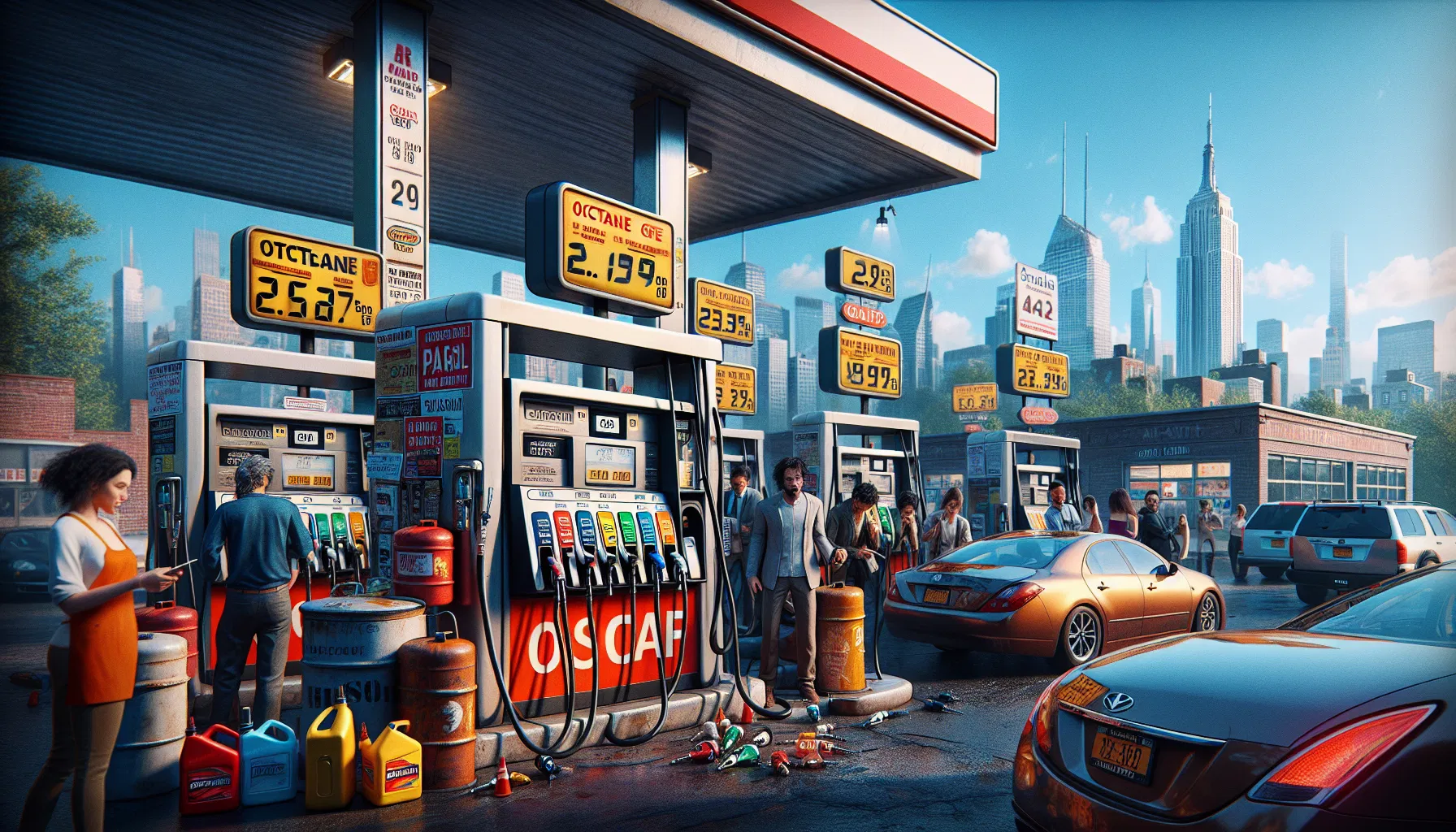
New York City’s gas stations are facing a serious credibility crisis. A staggering 96.3% of inspected gas stations failed tests for octane levels, according to the Department of Consumer and Worker Protection (DCWP). Between mid-2023 and mid-2025, inspectors evaluated 729 stations, uncovering a systemic issue where lower-octane fuel was often dispensed from pumps labeled as premium. This revelation has left many drivers questioning the integrity of the fuel they rely on daily.
The tests revealed that 1,135 pumps were condemned due to substandard octane levels. Stations are typically equipped with two underground tanks—one for regular and one for premium—with mid-grade fuel blended on-site. This setup makes it alarmingly easy for gas station operators to cheat customers by substituting cheaper fuel for premium at a significant profit margin.
Understanding Octane Ratings and Why They Matter
Octane ratings are crucial for optimizing engine performance, particularly for high-compression and turbocharged engines. Regular gasoline typically has an octane rating of 87 AKI, while premium ranges from 91 to 93 AKI. Mislabeling these octane levels can lead to severe engine knock, which can damage vehicles over time. According to experts, this issue isn’t just a few isolated incidents but a widespread practice that poses risks to drivers.
Drivers who frequent these stations have reported engine problems, particularly ride-share drivers who use their vehicles extensively. The Independent Drivers Guild noted that some drivers experienced check engine lights after filling up at stations known for poor fuel quality. This highlights a major concern for those relying on their vehicles for income and day-to-day transportation.
Economic Incentives Behind the Deception
The economic landscape of fuel prices in New York City further complicates the issue. As of early 2026, premium gas averages about $3.88 per gallon compared to $2.99 for regular. This nearly $0.89 profit per gallon incentivizes unscrupulous station owners to mislabel their fuel to maximize profits. With margins tightening due to rising electric vehicle (EV) adoption, the temptation to cheat has only increased.
As part of its ongoing efforts to protect consumers, the DCWP continues annual inspections and imposes fines of up to $500 per pump for violations. However, with a failure rate this high, it raises questions about the effectiveness of current oversight and whether more stringent measures are needed.
Broader Implications and Future Trends
This alarming trend isn’t restricted to New York City. Similar issues have been reported in other urban areas, prompting calls for better monitoring and accountability in the gas industry. The push towards electric vehicles is also reshaping the market, with NYC seeing a 10% increase in EV registrations by 2025. As more drivers transition to electric, gas stations may face intensified scrutiny and a potential decline in business.
To combat this, the DCWP is exploring innovative solutions such as AI-monitored pumps by 2027 to ensure compliance. Additionally, initiatives like blockchain-tracked fuel deliveries are being piloted to enhance transparency and trust in the fuel supply chain, as seen with companies like BP.
Protect Yourself as a Consumer
For consumers, the best defense is awareness. AAA recommends verifying pump seals and reporting suspicious activity to the DCWP hotline. Simple testing kits are available for $30, allowing drivers to check the authenticity of the fuel they purchase. By staying informed and vigilant, drivers can safeguard themselves against being shortchanged at the pump.
- Verify pump seals for tampering.
- Report suspected violations to the DCWP.
- Consider using trusted brands like Top Tier fuels for better quality assurance.
The reality is stark: if you’re not vigilant, you may be paying for premium while filling your tank with regular. It’s time for consumers to take charge and demand the quality they deserve.
Leave a Reply