Hyundai’s Boulder Concept: Igniting a New Era for Body-On-Frame Vehicles
Strategic Shift: Entering the Body-On-Frame Market
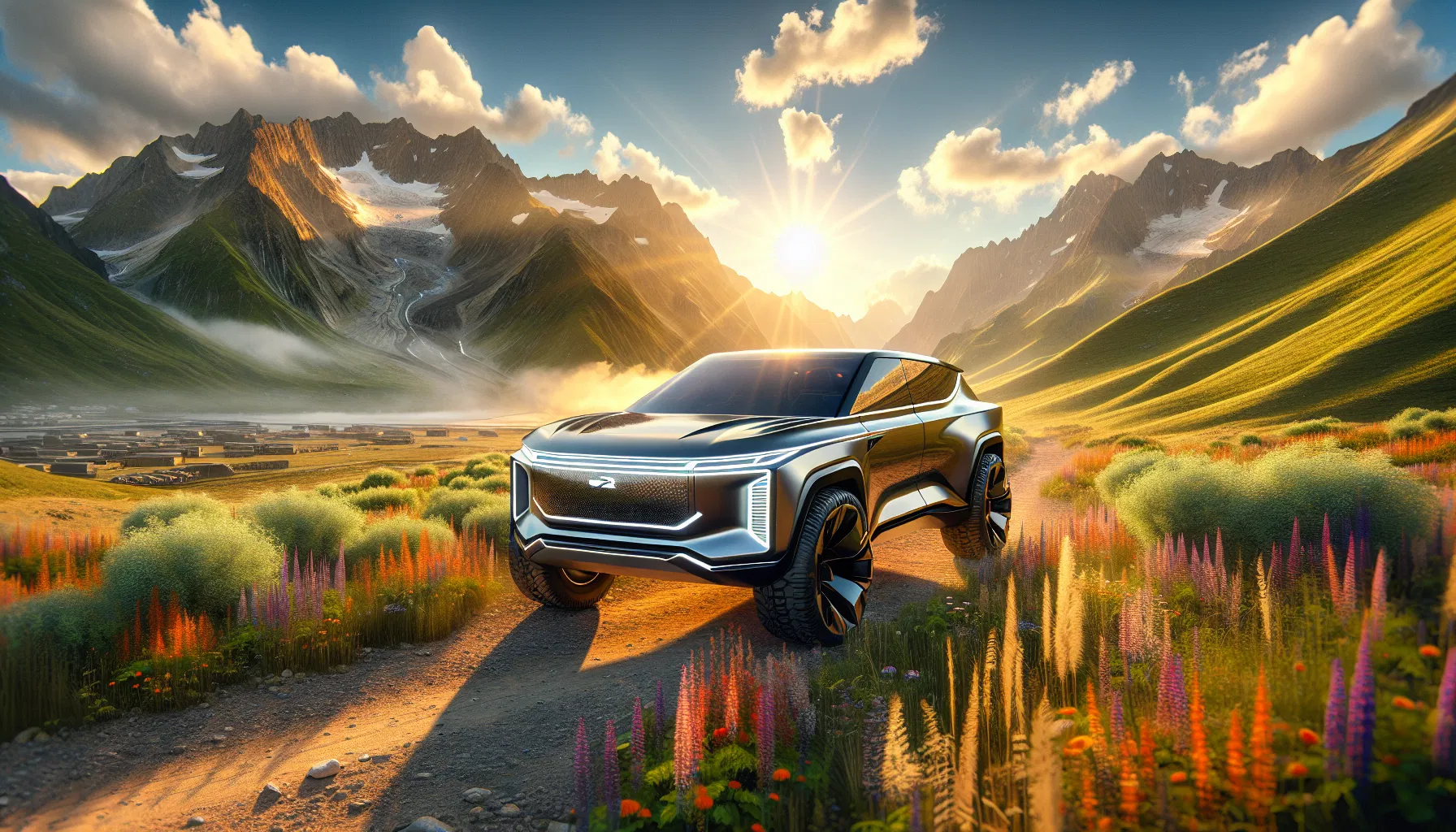
The Hyundai Boulder concept, unveiled at the 2026 New York International Auto Show, marks a pivotal moment for the automaker as it embarks on its body-on-frame journey. This bold move not only signifies Hyundai’s commitment to expanding its lineup but also aims to challenge entrenched American competitors like the Toyota Tacoma and Ford Ranger. According to The Torque Report, the Boulder is a precursor to a midsize pickup truck set to launch by 2030, showcasing Hyundai’s seriousness in the off-road segment.
Hyundai’s executive vice president, SangYup Lee, described the Boulder as “the beginning of Hyundai’s body-on-frame journey,” indicating that the platform will cater to multiple vehicle types rather than a single model. This strategy positions Hyundai to directly compete in a market traditionally dominated by brands known for their rugged utility and loyal customer bases.
Design Philosophy: Function Meets Aesthetic
The Boulder Concept embodies Hyundai’s new “Art of Steel” design language, which emphasizes strength and timelessness. Lee’s philosophy is to allow the natural form of the sheet metal to dictate the design, avoiding forced aesthetics. This approach is evident in features like the strategically placed gaps around the taillamps, which are celebrated as design elements rather than flaws, as per MotorTrend.
Moreover, the vehicle boasts a host of functional features, including a dual-hinge tailgate that opens from either side and a robust suspension system with long-travel dampers and 37-inch all-terrain tires. The attention to detail in these engineering choices underscores the Boulder’s potential as a serious contender in the market.
Manufacturing in America: A Competitive Edge
Hyundai’s plan for the Boulder includes a commitment to American manufacturing, utilizing U.S.-sourced steel and labor. CEO José Muñoz articulated this vision with the phrase “in U.S., for U.S., to global,” highlighting the brand’s intent to localize production as a strategic advantage against foreign competitors. This approach not only supports local economies but also aims to build trust with a consumer base that values American-made products.
This commitment is part of a broader strategy that includes the introduction of 36 new Hyundai vehicles for North America by 2030, as noted by The Drive. By anchoring its production in American soil, Hyundai seeks to win over pickup and SUV enthusiasts who have long been loyal to brands like Jeep and Ford.
Market Positioning: Facing Stiff Competition
Hyundai enters a fiercely competitive landscape where brand loyalty runs deep. The midsize pickup and off-road SUV segments are dominated by well-established players such as the Ford Ranger, Chevrolet Colorado, and Jeep Wrangler. Lee acknowledges the challenge, stating that as a latecomer, Hyundai must “take it seriously” and deliver competitive capabilities that go beyond existing offerings.
The Boulder’s projected MSRP of around $40,000 positions it competitively within the midsize SUV segment. Success will hinge on Hyundai’s ability to translate its innovative design and commitment to American manufacturing into buyer confidence in a market where heritage and proven performance are critical.
Leave a Reply