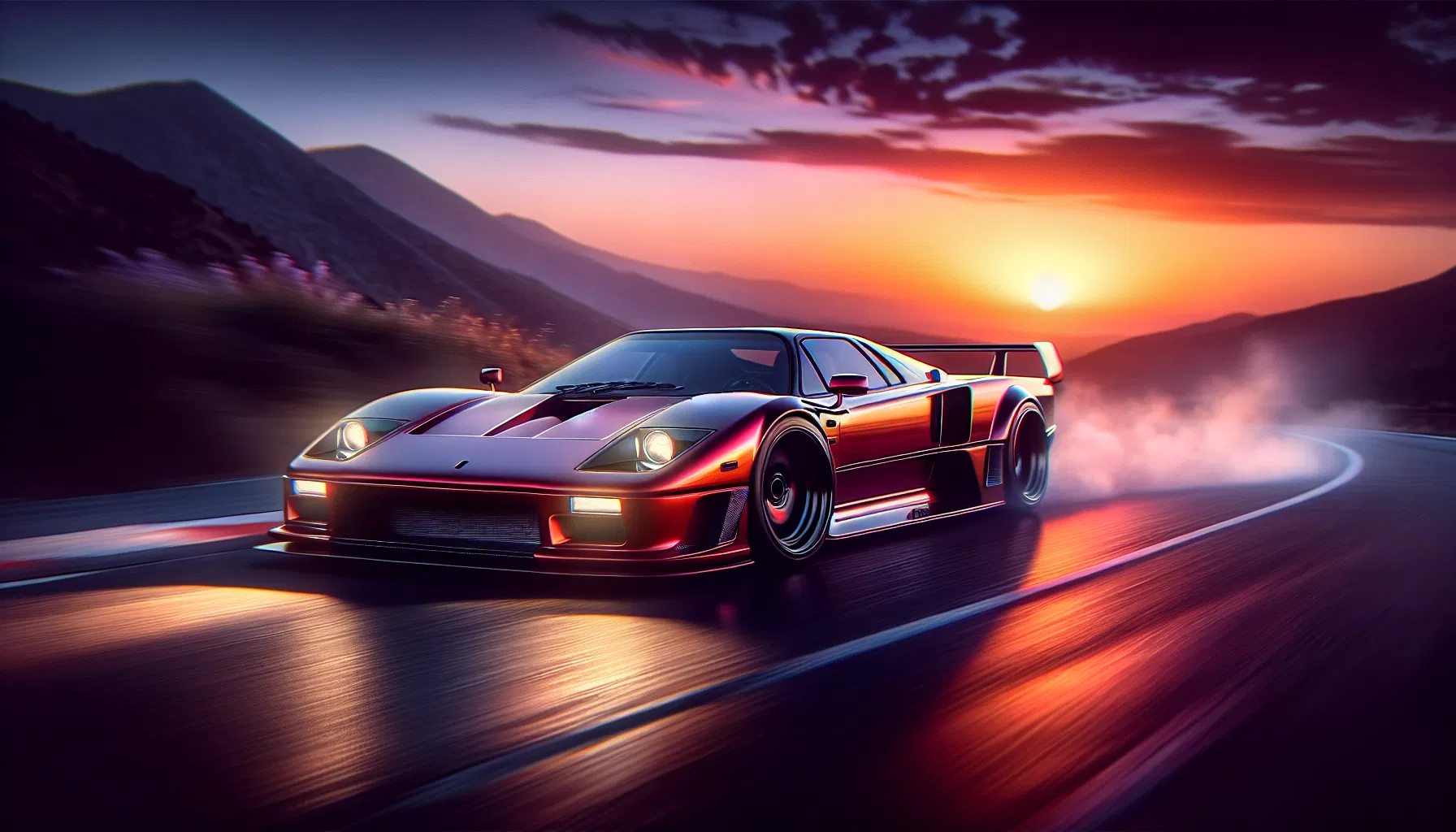
From Beast to Beauty: the Dodge Viper’s Remarkable Handling Evolution
A Shift in Performance Philosophy
The Dodge Viper, once infamous for its raw power and challenging handling, has undergone a significant transformation. Originally launched in the early ’90s, the first-generation Viper was celebrated for its striking design and brawny output, but it was equally criticized for its unpredictable behavior. Reviewers often noted its lack of stability control and the unsettling sensation of losing grip, making it a daunting drive even for seasoned enthusiasts.
In response to these criticisms, Dodge took decisive action with the second-generation model, the SR-II, launched in 1995. Key upgrades included a stiffer frame and lighter aluminum suspension components, which dramatically improved predictability and control. This evolution not only enhanced drivability but also paved the way for the Viper to compete in motorsports, showcasing its potential as a formidable contender on the track.
Motorsport Domination
The transformation from a “twitchy beast” to a serious racing machine was highlighted by the introduction of the Chrysler Viper GTS-R in 1996. Developed in collaboration with Reynard Motorsport and Oreca, this version of the Viper was a game changer. With nearly 700 horsepower from its 8.0-liter V10 engine, it captured the FIA GT championship in 1997, proving that American muscle could hold its own against European heavyweights like Ferrari and Porsche.
Throughout its racing career, the GTS-R not only dominated the GT2 class but also set the stage for the Viper’s legacy in competitive motorsport. Its success on the track further solidified Dodge’s commitment to refining the Viper’s handling and performance characteristics, culminating in a racing pedigree that remains influential today.
Revival Rumors and Market Positioning
As the automotive landscape evolves, so do the rumors surrounding a potential revival of the Viper. Recent statements from Dodge CEO Matt McAlear indicate a strong market interest for a new halo vehicle, akin to the Viper, to rival offerings from competitors like Corvette and Mustang GTD. Speculation about a 2026 model suggests a twin-turbo 8.4-liter V10 engine producing a staggering 850 horsepower and 700 lb-ft of torque, paired with an 8-speed dual-clutch transmission for enhanced performance and control.
The prospect of a new Viper not only stirs excitement among enthusiasts but also represents a critical moment for Dodge as it seeks to reinforce its place in the high-performance segment. The anticipated focus on refined handling and advanced technology aims to prevent the pitfalls of the early models, ensuring that the new iteration stands out in a crowded market.
Legacy and Impact on Modern Supercars
The Viper’s evolution from its early, treacherous handling to a more predictable and refined driving experience illustrates a significant shift in American automotive engineering. This legacy influences Stellantis’ current strategy, as they aim to develop extreme rear-drive performance vehicles that can compete with established European rivals. The historical improvements made to the Viper serve as a blueprint for modern supercar design, emphasizing the balance between power and controllability.
By prioritizing handling alongside brute strength, Dodge demonstrated that American muscle cars could not only compete but excel in the global arena. The potential for the new Viper to embody these principles speaks to a future where raw horsepower is matched with cutting-edge technologies, appealing to a new generation of performance enthusiasts.
Operational Challenges Ahead
The risks of the Viper’s early design highlight the challenges Dodge faces with a potential revival. The first-generation Viper’s unforgiving handling characteristics raised safety concerns, prompting the necessary redesigns that improved stability and control. As Dodge prepares to re-enter the high-performance market, it must strike a delicate balance between retaining the Viper’s iconic identity and incorporating modern safety features and controls.
With rumors circulating about the new model’s specifications, including high-output engines, Dodge must ensure that these advancements do not compromise the driving experience that enthusiasts crave. The integration of advanced handling technologies will be crucial to maintaining the Viper’s reputation while avoiding the pitfalls of its predecessors.
Leave a Reply